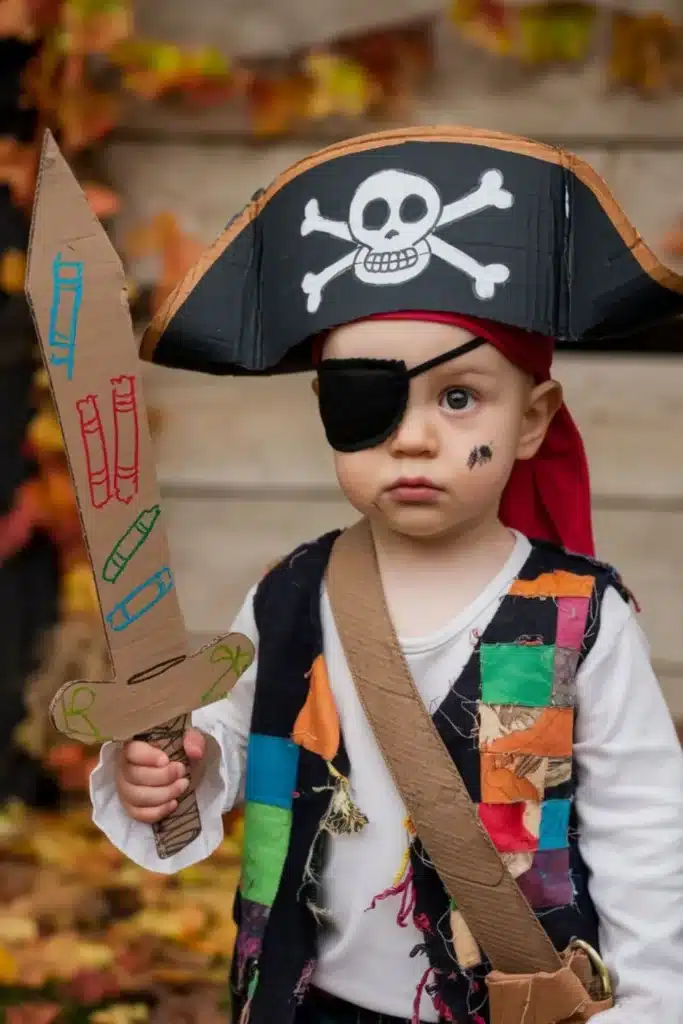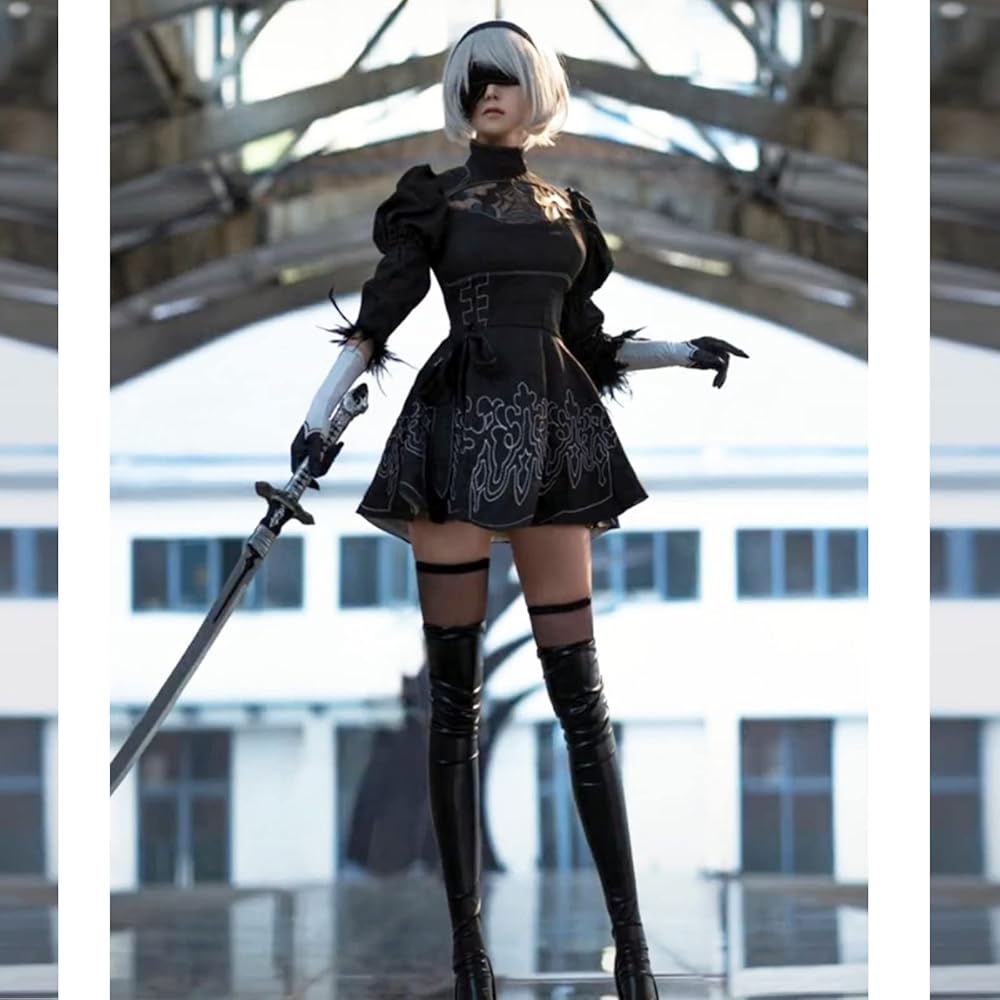
Cosplay, a portmanteau of “costume play,” is a vibrant and creative art form where participants, known as cosplayers, wear costumes and fashion accessories to represent a specific character. It’s more than just dressing up; it’s a passionate expression of fandom that brings beloved characters from video games, anime, comics, and movies into the real world. This comprehensive guide will walk you through every stage of the cosplay process, from the initial spark of an idea to the final, triumphant moment you step into a convention hall, fully transformed.
Whether you dream of wielding the elegant katana of 2B from NieR: Automata, navigating the dystopian streets as V from Cyberpunk 2077, or embodying the divine vengeance of Moon Knight, the journey begins with a single step. We will explore how to select a character, break down their design, choose between building and buying, and master the intricate details that make a cosplay truly unforgettable.
Getting Started: Choosing Your Character
The first and most crucial decision in any cosplay project is selecting who you want to become. This choice will influence every subsequent step, from your budget and timeline to the skills you’ll need to learn. A thoughtful decision here sets the foundation for a rewarding experience.
Passion and Connection: The Driving Force
The most successful cosplays are born from a genuine love for the character. When you are passionate about a character, you’ll be more motivated to push through the challenging aspects of crafting and more dedicated to capturing their essence. Ask yourself which characters resonate with you. Is it the fierce independence of Aloy from Horizon Forbidden West, the stoic determination of a Jujutsu Sorcerer, or the flamboyant energy of a Stand user from JoJo’s Bizarre Adventure? Your emotional connection is your greatest asset.
Considering Your Skill Level, Budget, and Time
It’s vital to be realistic about your resources. A complex armored suit, like those seen in Kamen Rider or for Marvel’s Iron Man, requires significant time, money, and advanced crafting skills. Conversely, characters with more contemporary or simple outfits, such as those from Stranger Things or the school uniforms in Persona 5, can be excellent starting points for beginners.
- Beginner-Friendly: Look for characters with outfits composed of recognizable clothing items that can be bought and modified. Characters from Harry Potter (robes and scarves) or Demon Slayer (distinctive haori over a uniform) are great examples.
- Intermediate: These projects might involve sewing custom garments, basic prop making, and wig styling. Many characters from Genshin Impact or Final Fantasy fall into this category, featuring unique silhouettes and accessories.
- Advanced: These are the master-level projects involving complex armor fabrication, electronics, intricate sewing patterns, and special effects makeup. Think of a fully functional transforming suit or a detailed creature cosplay like Rocket Raccoon.
Research and Reference Gathering
Once you’ve chosen a character, your next task is to become an expert on their appearance. Collect high-resolution reference images from every possible angle. This includes official artwork, in-game screenshots, and scenes from anime or films. Pay close attention to the small details: the texture of the fabric, the way armor plates connect, the specific shade of their hair, and any weathering or damage on their gear. This library of images will be your bible throughout the creation process.

The Core of Cosplay: Assembling the Costume
With your character chosen and references gathered, it’s time to bring the costume to life. This phase is a balance of planning, sourcing, and creation, where you decide the best path to achieve your desired look within your means.
Buying vs. Making: Pros and Cons
One of the first major decisions is whether to purchase a pre-made costume or craft it yourself. There is no right or wrong answer, and many cosplayers use a hybrid approach, buying a base costume and creating the accessories themselves.
| Approach | Pros | Cons |
|---|---|---|
| Buying | Saves significant time; ideal for complex patterns or those with limited sewing skills; can be cost-effective for popular characters. | Fit may not be perfect; material quality can vary; less personal connection and creative control. |
| Making | Complete control over fit, materials, and accuracy; immense satisfaction and skill development; allows for unique interpretations. | Requires significant time, skill, and specific tools; can be more expensive depending on materials; steep learning curve. |
Deconstructing the Outfit: A Layer-by-Layer Approach
Break the costume down into individual components. For example, cosplaying Aloy from Horizon Forbidden West isn’t just one outfit; it’s a collection of layers: the base tunic and trousers, the leather bracers, the intricate beadwork, the quiver, and the woven armor pieces. Listing every single item, from shoes to necklaces, will help you create a manageable checklist and prevent you from overlooking important details.
Sourcing Materials and Essential Tools
The materials you choose will define the look and feel of your cosplay. For fabric-heavy costumes like those in Jujutsu Kaisen or the elegant dresses of Love Live! school idols, understanding different textiles is key. For armored characters like the heroes of Overwatch or a Star Wars Mandalorian, materials like EVA foam are indispensable.
- Fabrics: Cotton, linen, pleather, spandex, and brocade are common choices. Always consider the character’s environment—a desert warrior wouldn’t wear velvet.
- Armor & Props: EVA foam is a beginner-friendly, versatile material. More advanced crafters might use Worbla, 3D printing filaments, or resin casting.
- Essential Tools: A basic kit should include a sewing machine, sharp scissors, a heat gun (for shaping foam), a rotary tool (like a Dremel), contact cement, and a variety of paints.

Mastering the Details: Wigs, Makeup, and Props
A well-made costume is only part of the equation. The details—hair, makeup, and signature accessories—are what truly complete the transformation and elevate a good cosplay to a great one.
Wig Styling and Application
Few people have the exact hair of an anime or video game character, making wigs a cosplay essential. A high-quality wig can be styled to defy gravity and match the specific colors of your character. Invest in a good lace-front wig for a natural hairline. You’ll need a wig head, a strong hairspray, and plenty of patience to trim, straighten, curl, or spike the fibers into the perfect shape. For characters like those from Genshin Impact or League of Legends, the wig is often as iconic as the outfit itself.
Character-Specific Makeup Techniques
Makeup is a powerful tool for altering your features to better resemble the character. This can range from simple contouring to enhance your bone structure to full-body paint for non-human characters. Study your character’s face. Do they have sharp, angular features like a Final Fantasy protagonist? Scars and grime like a warrior from Attack on Titan? Or the distinct stylized look of Joker from Persona 5? Practicing your makeup application before a convention is crucial.
Prop Making and Weathering for Authenticity
A character’s signature weapon or accessory is often the centerpiece of a cosplay. Whether it’s a Jedi’s lightsaber, Wonder Woman’s Lasso of Truth, or a Demon Slayer’s Nichirin Blade, a well-crafted prop adds a massive “wow” factor. Furthermore, making props and costumes look used and authentic through weathering is a vital skill. The “lived-in” feel of a Cyberpunk 2077 costume, for example, is achieved by adding scuffs, dirt, and simulated wear and tear. This technique involves using paints, washes, and physical distressing to tell a story of the character’s adventures.

Embodying the Character: Performance and Posing
Cosplay transcends the costume; it’s about performance. Capturing a character’s personality, mannerisms, and poses is what brings your creation to life for yourself, for photographers, and for fellow fans.
Studying Mannerisms and Signature Poses
Watch your source material with a critical eye. How does your character stand? How do they walk and talk? Do they have a signature gesture or a common facial expression? Spider-Man is known for his acrobatic poses, while characters from JoJo’s Bizarre Adventure are famous for their dramatic, angular stances. Practice these poses in front of a mirror. Knowing 3-5 solid poses will make you feel more confident and prepared when someone asks for a photo.
Interacting with Photographers and Fans
At conventions, you’ll be approached for photos. It’s helpful to have your poses ready. Be polite and communicative with photographers; they are artists who want to help you look your best. Interacting with fans “in character” can also be a fun part of the experience, but always prioritize your own comfort and safety. Decide on a few key catchphrases or responses that feel authentic to your character.
Convention Etiquette and Safety
Being a good community member is essential. Be mindful of your surroundings, especially if you have a large costume or prop. Stay hydrated, take breaks, and have a repair kit on hand for emergencies. Always ask for permission before touching another cosplayer or their props. Cosplay is for everyone, and fostering a respectful and safe environment ensures the hobby continues to thrive.

Inspiration Showcase: Cosplay Across Popular Genres
The world of cosplay is as vast as fiction itself. From the high-tech battlegrounds of video games to the magical realms of fantasy, every genre offers unique challenges and creative opportunities. Drawing inspiration from different styles can help you develop new skills and find your next project.
Video Game Legends
Video games provide some of the most popular and complex cosplay inspirations. This genre often features detailed armor, futuristic technology, and fantastical outfits.
- Sci-Fi & Dystopian: Characters like 2B from NieR: Automata combine elegant design with combat functionality, while V from Cyberpunk 2077 focuses on a modular, “lived-in” aesthetic that tells a story.
- Fantasy & Adventure: The vibrant world of Teyvat in Genshin Impact offers a massive roster of characters with elemental themes and elaborate, multi-layered outfits. Similarly, the Final Fantasy series is renowned for its iconic and often gravity-defying character designs.
- Action Heroes: Heroes from games like Overwatch provide a masterclass in armor and prop design, blending sleek futuristic elements with distinct character personalities.
Anime and Manga Icons
Anime and manga are the bedrock of modern cosplay, known for their expressive art styles, distinct uniforms, and larger-than-life powers.
- Shonen & Action: Series like Demon Slayer and Jujutsu Kaisen feature iconic uniforms and weapons that are instantly recognizable. Attack on Titan challenges cosplayers with its complex 3D maneuver gear.
- Unique Aesthetics: JoJo’s Bizarre Adventure is a universe of its own, demanding a bold use of color, creative pattern-making, and an understanding of dramatic posing.
- Idol & Slice of Life: Franchises like Love Live! focus on intricate and colorful stage outfits, offering a great opportunity to work with delicate fabrics, ruffles, and accessories.
Superhero and Comic Book Heroes
From the pages of Marvel and DC, superheroes offer a chance to embody power and justice. These cosplays often focus on creating a powerful silhouette and working with materials like spandex and foam to simulate muscle and armor. Whether it’s the classic design of Wonder Woman, the sleek variations of a Spider-Man suit, or the complex, layered armor of Moon Knight, this genre is about bringing icons to life.
Frequently Asked Questions (FAQ)
- What is the best material for a beginner to use for armor?
- EVA foam is widely recommended for beginners. It is affordable, lightweight, and relatively easy to cut, shape (with a heat gun), and glue. It comes in various thicknesses, making it suitable for both detailed pieces and large base structures. It’s a forgiving material that allows for a lot of trial and error.
- How do I choose my first cosplay character if I’m on a tight budget?
- Look for characters who wear modern or simple clothing that can be found in thrift stores or easily modified. This is often called “closet cosplay.” Characters from slice-of-life anime, shows like Stranger Things, or even the wizards from Harry Potter (where the main components are a robe and scarf) are excellent, budget-friendly choices to start with.
- How much time should I budget for my first major cosplay project?
- This varies greatly, but it’s always best to overestimate. For a first project involving sewing and prop making, give yourself at least 2-3 months. This provides a comfortable buffer for sourcing materials, learning new techniques, making mistakes, and finishing details without a last-minute crunch before a convention.
- Is it okay to buy a cosplay instead of making it?
- Absolutely! There is no gatekeeping in cosplay. The goal is to have fun and celebrate your favorite characters. Buying a costume is a perfectly valid option, especially if you lack the time, skills, or tools to create something from scratch. Many cosplayers use a mix of bought and made pieces to achieve their final look.
- What are the most essential items for a convention repair kit?
- A small, portable repair kit is a lifesaver. It should include: hot glue sticks and a glue gun (many cons have repair stations where you can plug it in), safety pins, duct tape, bobby pins, super glue (for props), a small sewing kit with thread in your costume’s colors, and clear nail polish to stop fabric from fraying.

Related Posts