The Ancient Roots and Modern Evolution of Halloween
Halloween, a festivity celebrated globally with costumes, candy, and haunted houses, boasts a rich and complex history that stretches back millennia. Far from being a mere modern invention, its origins are deeply embedded in ancient Celtic traditions, evolving significantly through various cultural influences to become the vibrant, often spooky, spectacle we know today. Understanding this evolution provides a deeper appreciation for the holiday’s diverse customs and enduring appeal.
Samhain: The Celtic Dawn of Halloween
The earliest known roots of Halloween lie in the ancient Celtic festival of Samhain (pronounced “sow-in”), meaning “summer’s end.” Celebrated on October 31st, it marked the end of the harvest season and the beginning of the dark, cold winter, a time of year often associated with death. The Celts, who lived 2,000 years ago in the area that is now Ireland, the United Kingdom, and northern France, believed that on the night of Samhain, the boundary between the worlds of the living and the dead became blurred. This mystical night was thought to allow spirits of the deceased to return to their earthly homes, sometimes to cause mischief, but also to visit their families.
- Bonfires and Offerings: To ward off evil spirits and honor ancestral ones, large communal bonfires were lit, often used for sacrifices of crops and animals. People would gather around these fires, extinguishing their home hearths and relighting them from the sacred bonfire to symbolize new beginnings and protection for the coming winter.
- Fortune Telling: The heightened spiritual energy of Samhain was also believed to make it a potent time for divination, with many rituals focused on predicting the future regarding marriage, health, and death.
- Disguises: To avoid recognition by malevolent spirits, Celts would often wear costumes, typically made of animal skins and heads, and engage in parades or processions. This practice was a form of camouflage, blending in with the supernatural entities believed to roam the earth.
Roman Influence and Christianization
As the Roman Empire expanded, it conquered most of Celtic territory by 43 A.D. Over the course of 400 years, two Roman festivals merged with the Celtic Samhain: Feralia, a day in late October when Romans commemorated the passing of the dead, and a day to honor Pomona, the Roman goddess of fruit and trees, whose symbol is the apple—a possible origin of apple bobbing.
Later, with the rise of Christianity, efforts were made to convert pagan populations. In the 7th century, Pope Boniface IV established All Saints’ Day (All Hallows’ Day) on May 13th, later moved by Pope Gregory III to November 1st. This day honored saints and martyrs. The evening before, October 31st, became known as All Hallows’ Eve, eventually evolving into Halloween. November 2nd became All Souls’ Day, a day to pray for all departed souls. These Christian observances incorporated elements of Samhain, softening its pagan undertones while preserving some traditions.
The Americanization of Halloween
Halloween arrived in America with the influx of European immigrants, particularly the Irish fleeing the Great Famine in the mid-19th century. In colonial America, Halloween was largely suppressed due to rigid Protestant belief systems. However, as diverse European traditions mingled in the melting pot of the new world, a distinctly American version of Halloween began to emerge. Early American Halloween celebrations involved “play parties” to celebrate the harvest, where neighbors would share ghost stories, tell fortunes, sing, and dance.
- Trick-or-Treating: The tradition of “trick-or-treating” originated from medieval European practices of “souling,” where poor people would beg for food and receive “soul cakes” in exchange for prayers for the dead. In America, it evolved from children and adults dressing up and going door-to-door asking for food or money, sometimes with playful mischief if denied. By the 1930s, trick-or-treating became a widespread, organized community activity, a way to curb destructive pranks, and by the 1950s, it was a solidified tradition.
- Costumes and Commercialization: Post-World War II, Halloween saw a significant boom in commercialization. Mass-produced costumes became popular, moving away from homemade disguises. The focus shifted from spiritual appeasement to lighthearted fun, community engagement, and childhood joy.
Halloween as a Global Phenomenon
Today, Halloween is celebrated in various forms across the globe, influencing and being influenced by local cultures. While rooted in ancient beliefs, it has transformed into a global costume party, a testament to its adaptability and universal appeal for fun, fantasy, and community gathering.

Transform Your Home: Creative & Affordable DIY Halloween Decor Ideas
Creating a festive and spooky atmosphere for Halloween doesn’t require a large budget or professional decorators. With a bit of creativity and some readily available materials, you can transform your home into a ghoulish wonderland that delights trick-or-treaters and party guests alike. The key is to leverage everyday items, repurpose old materials, and focus on impactful, yet simple, DIY projects that add character and charm without breaking the bank.
Spooktacular Entryway & Porch Decorations
The entryway is the first impression visitors get, making it a prime spot for impactful Halloween decor. A welcoming yet eerie porch sets the tone for the entire experience.
- Ghostly Garland from Sheets: Take old white sheets, tear them into strips, and drape them over your porch railing or doorway. Add some strategically placed black construction paper eyes for a floating ghost effect. This is an incredibly simple yet effective visual.
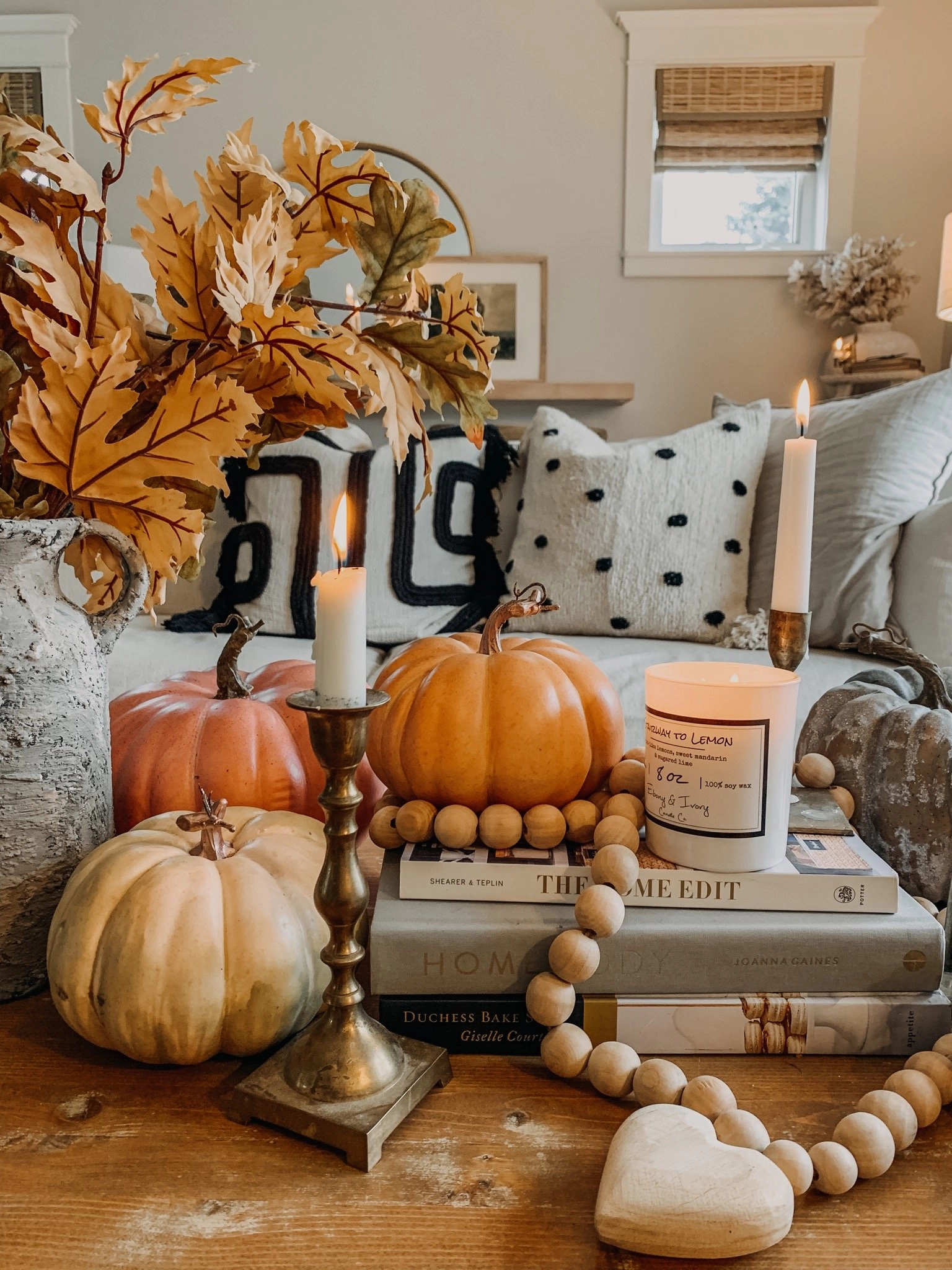
- Pumpkin Patch with a Twist: Instead of just carving traditional jack-o’-lanterns, paint some pumpkins with spooky faces or use glow-in-the-dark paint for an ethereal nighttime display. Consider using plastic pumpkins for longevity and ease of storage. Arrange them with fallen leaves and corn stalks for a rustic autumn feel.
- Spiderweb Invasion: Purchase inexpensive faux spiderwebs and stretch them across bushes, railings, and windows. Enhance the effect with plastic spiders of various sizes. For a truly immersive feel, let some webs hang loosely, giving the impression of neglect and decay.
- Mummy Door: Wrap your front door in white crepe paper or toilet paper, securing it with tape. Add large googly eyes or cut out eyes from black paper to create a giant mummy effect. This project is quick, budget-friendly, and highly visible.
Creepy & Cozy Indoor Ambiance
Bringing the Halloween spirit indoors creates a cohesive theme and allows for more intricate details. Focus on lighting, textures, and small, surprising elements.
- Eerie Lighting with LED Candles: Replace regular bulbs with dim, colored LEDs (orange, purple, green) or use battery-operated LED candles inside jars or lanterns. The flickering glow creates a mysterious and safe alternative to open flames.
- DIY Potion Bottles: Collect old glass bottles, jars, and vials. Fill them with colored water, glitter, or small plastic spiders. Label them with creative, spooky names like “Eye of Newt,” “Witch’s Brew,” or “Vampire Venom.” Use distressed paper and twine for authentic labels.
- Floating Ghosts: Drape cheesecloth over balloons inflated with helium, tie a string, and hang them from the ceiling at varying heights. Add black construction paper eyes for simple, floating specters that add movement and dimension.
- Bat Silhouettes: Cut bat shapes from black cardstock and tape them to walls, windows, or even furniture. Arrange them in a flying pattern to suggest a swarm descending upon your home. This is a classic, effective, and very cheap decoration.
Spooky Dining & Party Zone
If you’re hosting a Halloween party, extend your decor to the dining area to complete the immersive experience.
- Tablecloth Transformation: Use a plain black or white tablecloth as a base. You can splatter it with red paint for a blood-spatter effect or draw spiderwebs with a marker.
- Ghoulish Centerpieces: Fill a clear vase with plastic eyeballs, mini pumpkins, or candy corn. For a more sophisticated look, use bare branches from your yard, spray-painted black, and hang small plastic spiders or bats from them.
- Edible Decorations: Incorporate your food into the decor. Serve “finger” sandwiches, “eyeball” cake pops, or “worm” jello. Presentation is key to making these treats part of the overall theme.

Unleash Your Inner Ghoul: Ingenious Low-Cost Halloween Costume Ideas
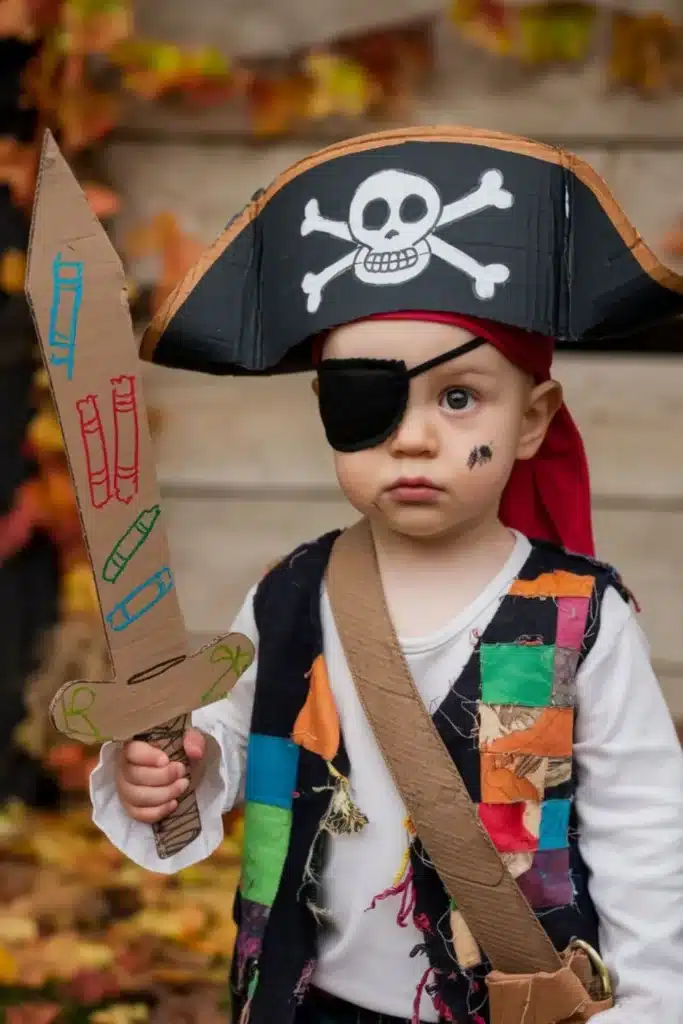
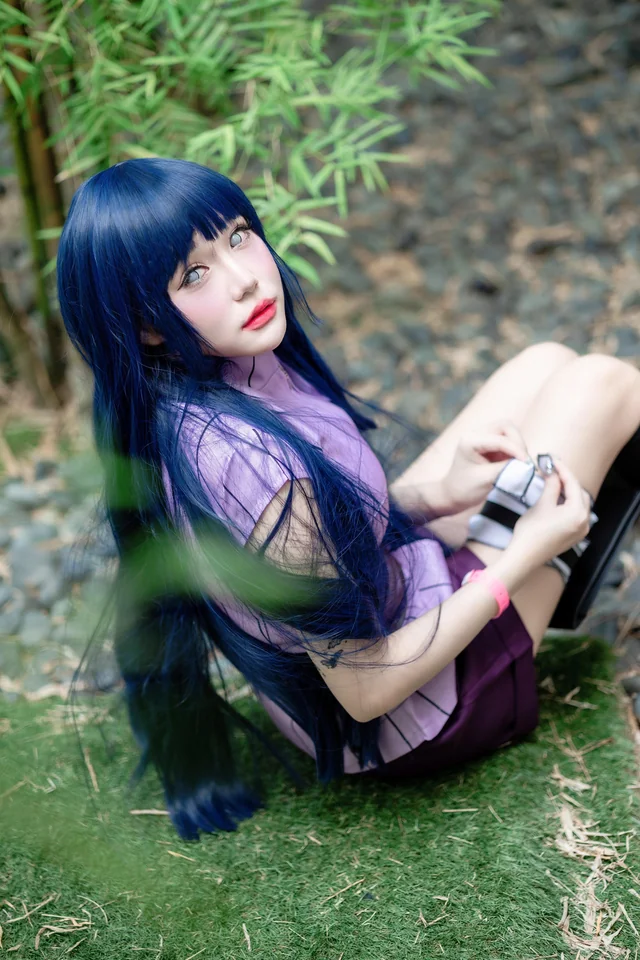
Halloween costumes are at the heart of the celebration, allowing individuals to transform into anyone or anything they desire, from terrifying monsters to beloved pop culture icons. However, purchasing elaborate costumes can be expensive. The true spirit of Halloween often lies in creativity and resourcefulness. With a little imagination, everyday items, and some DIY magic, you can create unique, eye-catching, and budget-friendly costumes that stand out from the crowd.
Classic Characters & Timeless Themes
Some of the most iconic Halloween looks can be achieved with minimal effort and cost, often by repurposing clothes you already own or can find cheaply.
- Zombie Apocalypse Survivor: Rip up old clothes, splatter them with fake blood (red food coloring and corn syrup mix), and smudge dirt on your face and hands. Mess up your hair and add some pale makeup for a truly undead look. The beauty of a zombie costume is that imperfection is part of the appeal.
- Ghost: A classic for a reason. Drape an old white sheet over yourself, cut out eyeholes, and you’re done. For a more ethereal ghost, use cheesecloth and add some glitter or glow-in-the-dark paint. This simple costume has been a Halloween staple for generations.
- Vampire: A black outfit (dress, pants, shirt), a homemade cape from a dark blanket or fabric, and some red lipstick for fake blood around the mouth. Add pale makeup and slicked-back hair. Faux fangs can be purchased cheaply or even crafted from white craft foam.
- Witch: A black dress or skirt and top, a pointed hat (DIY from cardboard), and a broomstick (from your yard). Green face paint and a drawn-on wart complete the look. Witches offer endless variations, from classic crones to modern enchantresses.
Pop Culture & Trending Concepts on a Budget
Stay current without breaking the bank by drawing inspiration from recent movies, TV shows, or viral trends. These often rely on recognizable accessories or color palettes rather than intricate designs.
- Meme/Emoji: Choose a popular emoji or meme and recreate it. For example, the “crying laughing” emoji can be a yellow shirt with drawn-on face, or a “thinking face” emoji. This is often just a matter of printing an image and attaching it to clothing.
- Error 404: Costume Not Found: Wear a plain t-shirt with “Error 404: Costume Not Found” printed or written on it. This is a humorous and incredibly low-effort option that always gets a laugh.
- Rosie the Riveter: A denim shirt, jeans, a red bandana tied in a specific way, and a strong pose. This iconic look is instantly recognizable and empowering, requiring minimal new purchases.
- Tourist: Hawaiian shirt, shorts, socks with sandals, a camera around the neck, and a fanny pack. Sunglasses and a straw hat complete the quintessential tourist look. Most of these items can be found in your own closet.
Creative DIY Hacks & Repurposed Materials
The most unique and impressive low-cost costumes often come from transforming unexpected items into something entirely new.
- Cardboard Box Creations: Cardboard boxes are incredibly versatile. Transform them into robots, dice, building blocks, a Rubik’s Cube, or even a washing machine. Paint, tape, and some imagination are your only limits.
- Newspaper Dress/Suit: Fashion an entire outfit from newspaper, using tape or glue to hold it together. This creates a striking, textured look that is entirely unique and virtually free.
- Laundry Basket Snail: Attach a spiral-painted laundry basket to your back with straps, add some pipe cleaner antennae to a headband, and wear all brown or green. This whimsical costume is surprisingly simple.
- Bag of Grapes: Inflate green or purple balloons and attach them to an all-green or all-purple outfit. Add a brown paper “stem” hat for a fun and fruity costume.
Remember, the goal is to have fun and express your creativity. A well-executed, simple DIY costume can often garner more attention and admiration than an expensive store-bought one.

Beyond the Spook: Embracing the Spirit of Halloween Safely & Sustainably
While costumes and candy are central to Halloween, the holiday also presents opportunities to foster community spirit, ensure safety for all participants, and even consider environmental impact. Embracing Halloween thoughtfully means looking beyond individual festivities to the broader implications of our celebrations, ensuring everyone has a positive and responsible experience.
Prioritizing Safety for Trick-or-Treaters and Party-Goers
Safety should always be a top priority, especially when children are out trick-or-treating or attending parties. Simple precautions can make a significant difference in preventing accidents and ensuring a joyful night.
- Visibility is Key: Encourage costumes with reflective tape or bright colors. Provide children with flashlights or glow sticks to increase their visibility to motorists. Parents should also carry a flashlight.
- Pedestrian Safety: Remind children to look both ways before crossing the street, to use sidewalks whenever possible, and to avoid darting out between parked cars. Younger children should always be accompanied by a responsible adult.
- Costume Considerations: Ensure costumes are well-fitting to prevent trips and falls. Masks should not obstruct vision; consider face paint as an alternative. Avoid overly long capes or baggy clothing that can snag.
- Home Safety: Clear pathways to your door of any potential hazards. Ensure your porch and walkway are well-lit. Keep pets secured to prevent accidental escapes or frights.
- Candy Inspection: Advise children not to eat any treats until they have been inspected by an adult. Discard any unwrapped, unsealed, or suspicious-looking items.
Sustainable Halloween: Eco-Friendly Celebrations
The sheer volume of single-use decorations, plastic costumes, and candy wrappers can contribute significantly to waste. A sustainable Halloween aims to reduce this environmental footprint without diminishing the fun.
- DIY and Reusable Decor: Opt for homemade decorations using natural materials (leaves, branches, pumpkins) or recycled items (cardboard, glass jars). Store decorations carefully to reuse them year after year.
- Eco-Friendly Costumes: Prioritize homemade costumes using existing clothes or thrift store finds. Organize a costume swap with friends or neighbors to give old costumes new life. Avoid buying new plastic accessories that will be quickly discarded.
- Waste Reduction: Provide recycling bins for candy wrappers (if applicable in your area) and other recyclable waste. Compost pumpkins and other organic decor after the holiday.
- Sustainable Treats: Consider giving out small, reusable items instead of candy, or choose candies with minimal packaging. Support brands that use sustainable practices.
Fostering Community and Inclusivity
Halloween is a wonderful opportunity to connect with neighbors and build a sense of community. Inclusive practices ensure that everyone, regardless of age or ability, can participate and enjoy the festivities.
- Teal Pumpkin Project: Participate in the Teal Pumpkin Project by placing a teal pumpkin outside your home, signaling that you offer non-food treats for children with allergies or other dietary restrictions.
- Community Events: Support or organize local trunk-or-treat events, haunted houses, or harvest festivals. These provide safe, centralized locations for celebration and interaction.
- Decorating Contests: Organize friendly decorating contests among neighbors to encourage participation and creativity, fostering a sense of shared fun.
- Age-Appropriate Fun: Offer different levels of “spooky” for various age groups, ensuring that younger children aren’t overly frightened while older ones still find excitement.
By integrating safety, sustainability, and inclusivity into our Halloween plans, we can ensure that this ancient holiday continues to evolve into a responsible and joyous celebration for generations to come.
Frequently Asked Questions (FAQ)
- Q1: What is the origin of trick-or-treating?
- Trick-or-treating evolved from several historical traditions. It traces back to the medieval European practices of “souling,” where poor people would go door-to-door begging for food (soul cakes) in exchange for prayers for the dead. It also has roots in the Celtic tradition of wearing disguises on Samhain to blend in with spirits, and later, youthful mischief and pranks if treats were not given. In America, it became a widespread, organized custom by the 1930s and 1950s, primarily as a way to manage Halloween pranks and foster community interaction.
- Q2: How can I make my Halloween decorations more eco-friendly?
- To make your Halloween decor eco-friendly, focus on DIY projects using natural or recycled materials like leaves, branches, cardboard, and glass jars. Prioritize reusable decorations that can be stored and brought out annually. Consider composting pumpkins and other organic decor after use, and opt for LED lights or battery-operated candles to reduce energy consumption. Participating in costume swaps or making costumes from thrifted items also significantly reduces waste.
- Q3: What are some creative, low-cost costume ideas using household items?
- Many creative, low-cost costumes can be made from household items. Examples include a “bag of grapes” (inflated balloons attached to an outfit), a “mummy” (toilet paper or white fabric strips), a “robot” or “dice” (cardboard boxes painted and decorated), or a “ghost” (an old white sheet). Repurposing old clothes for a zombie, vampire, or scarecrow is also highly effective. The key is to think outside the box and utilize items you already own or can acquire cheaply.
- Q4: Why is Halloween celebrated on October 31st?
- Halloween is celebrated on October 31st because it aligns with the ancient Celtic festival of Samhain, which marked the end of summer and the harvest and the beginning of the dark half of the year. The Celts believed that on this night, the veil between the living and the dead was thinnest. When Christianity spread, Pope Gregory III moved All Saints’ Day (All Hallows’ Day) to November 1st, making October 31st “All Hallows’ Eve,” which eventually evolved into “Halloween,” retaining the original date’s significant spiritual and seasonal associations.
- Q5: What is the Teal Pumpkin Project?
- The Teal Pumpkin Project is an initiative to promote inclusion for trick-or-treaters with food allergies and other conditions. Homes that participate display a teal-colored pumpkin to signal that they offer non-food treats (e.g., small toys, stickers, glow sticks) as an alternative to candy. This allows children with allergies, diabetes, or other dietary restrictions to safely participate in trick-or-treating and enjoy Halloween festivities without risk.

Related Posts