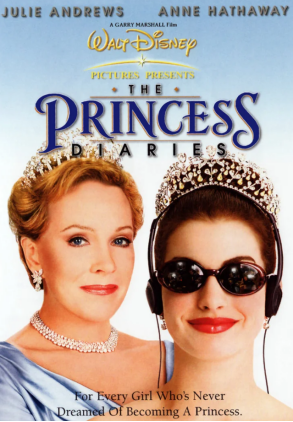
Released in 2001, “The Princess Diaries” did more than just launch Anne Hathaway’s career; it redefined the “coming-of-age” genre for a new generation. Directed by Garry Marshall, the film balances the whimsical fantasy of discovering royal heritage with the grounded, often painful realities of American high school life. This guide explores the multi-layered evolution of Mia Thermopolis and why this narrative remains a cornerstone of modern cinema.
The Evolution of the Modern Princess Archetype
The concept of the “accidental princess” is a recurring motif in literature, but “The Princess Diaries” modernized the trope by stripping away the passive nature of traditional fairy tales. Mia Thermopolis is not a character who is saved by a prince; rather, she is a character who must save herself from her own insecurities to lead a nation.
The Historical Context of Royal Narratives
Traditionally, princess stories focused on marriage as the ultimate goal. In Genovia’s lore, the focus shifts toward governance, responsibility, and the weight of a crown. This shift reflects early 2000s third-wave feminism, where female empowerment began to be depicted through leadership and self-actualization rather than romantic conquest.
Expert Advice: The “Invisible” Protagonist
- Observe how the film uses physical cues—like Mia’s frizzy hair and glasses—to symbolize her perceived “invisibility” before her transformation.
- Note that the real transformation occurs in her posture and public speaking, not just her aesthetic appearance.
- The relationship with Queen Clarisse Renaldi serves as a mentorship model that transcends typical grandmother-granddaughter dynamics.

Deconstructing Mia Thermopolis: The Path to Self-Discovery
Mia’s journey is often summarized by the “makeover scene,” but the psychological transformation is far more complex. The “cocoon” phase represents her safety net in San Francisco—a life of anonymity that she eventually must trade for a public life of service.
The Conflict of Dual Identities
The tension between being “Mia from San Francisco” and “Amelia Mignonette Grimaldi Thermopolis Renaldi” drives the film’s emotional core. This duality resonates with audiences who feel the pressure to conform to different social expectations in their own lives.
| Phase of Journey | Key Characteristic | Symbolic Object |
|---|---|---|
| The Cocoon | Social Anxiety & Invisibility | The Old Mustang |
| The Chrysalis | Training & Refinement | The Fan (Etiquette Tool) |
| The Butterfly | Confidence & Leadership | The Genovian Tiara |

Cinematic Techniques and the Power of the Makeover
Garry Marshall utilized specific cinematic techniques to emphasize Mia’s growth. The use of wide shots during her princess lessons highlights the vastness of the ballroom and her initial smallness within it, while close-up shots in the final act focus on her steady gaze and resolved expression.
The Paolo Effect: More Than Skin Deep
While the makeover by Paolo is a comedic highlight, it serves a narrative purpose. It represents the external pressure to fit a mold. However, the film subverts this by having Mia initially reject the changes, only to eventually accept a version of herself that blends her old personality with her new responsibilities.
Checklist: Elements of a Successful Coming-of-Age Film
- Relatable Protagonist: Someone who feels like an outsider.
- The Mentor Figure: A source of wisdom (Queen Clarisse).
- The Catalyst: A life-changing revelation (The “You’re a Princess” moment).
- The Moral Dilemma: Choosing between personal desire and duty.
- The Resolution: A public declaration of the new self.
The Cultural Legacy and Future of the Franchise
Decades after its release, “The Princess Diaries” remains a cultural touchstone. It paved the way for other “modern royalty” films and established Anne Hathaway as a powerhouse in Hollywood. The film’s focus on kindness, integrity, and the idea that “no one can make you feel inferior without your consent” continues to inspire viewers.
Future Prospects: Princess Diaries 3
Ongoing discussions regarding a third installment suggest that the story of Mia Thermopolis is far from over. A potential sequel would likely explore Mia as a reigning monarch, shifting the focus from “becoming” a leader to “being” a leader in a modern, digital world.
Frequently Asked Questions (FAQ)
-
Is Genovia a real country?
- No, Genovia is a fictional principality created by author Meg Cabot for the book series and adapted for the film. It is portrayed as being located between France and Italy.
-
How does the movie differ from the book series?
- The movie makes several significant changes, including the setting (San Francisco instead of New York) and the status of Mia’s father, who is alive in the books but deceased in the film.
-
What is the most famous quote from the movie?
- The most iconic line is often cited as Queen Clarisse’s advice: “No one can make you feel inferior without your consent,” which is actually a quote attributed to Eleanor Roosevelt.
-
Why is the makeover scene so controversial today?
- Some modern critics argue it emphasizes beauty standards, but fans defend it as a theatrical representation of Mia’s transition into a professional public role where “grooming” is part of the job.
-
Will there be a third Princess Diaries movie?
- As of recent reports, a script is in development at Disney, and both Anne Hathaway and Julie Andrews have expressed interest in returning if the story is right.

Related Posts