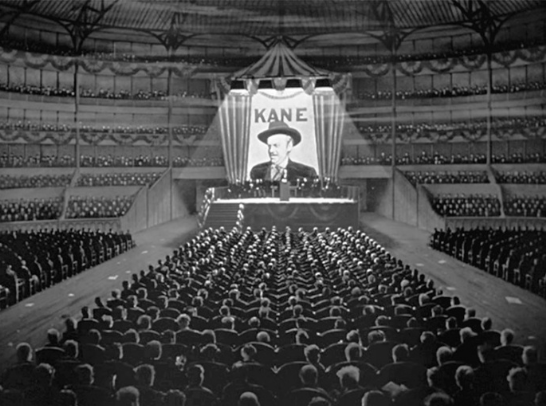
The concept of the “existential dilemma” in cinema refers to the moment a character confronts the fundamental questions of existence—purpose, freedom, and mortality—within the context of their ordinary environment. Unlike epic dramas where stakes are external, existential cinema thrives on the internal, turning the lens toward the quiet desperation or sudden clarity found in the repetitive motions of daily living.
The Philosophy of Existentialism in Visual Storytelling
To understand the “why” behind existential cinema, one must look at the philosophical foundations laid by thinkers like Jean-Paul Sartre and Albert Camus. In film, this translates to “Existence precedes essence,” where a character’s actions in a mundane world define who they are, rather than a predetermined destiny.
The Absurdity of the Routine
Directors often use the concept of “The Myth of Sisyphus” to illustrate modern life. By showing a character performing the same morning routine—making coffee, commuting, staring at a screen—the filmmaker highlights the absurdity of a life lived without conscious intent. The existential “break” occurs when the character stops mid-routine to ask, “Why?”

Cinematic Techniques for Portraying the Mundane
Transforming a simple room or a street corner into a site of philosophical crisis requires specific technical choices. These techniques force the audience to feel the weight of time and the isolation of the individual.
- Long Takes: By refusing to cut away, directors like Andrei Tarkovsky or Chantal Akerman force the viewer to endure the passage of time, making the mundane feel heavy and significant.
- Static Framing: Keeping the camera still suggests a sense of being trapped or “stuck” in one’s environment.
- Negative Space: Leaving large areas of the frame empty emphasizes the character’s loneliness and the vastness of the world they are trying to navigate.
The Role of Soundscapes
In existential film, silence is rarely empty. Ambient noise—the hum of a refrigerator, distant traffic, or rhythmic breathing—serves to heighten the sense of reality and the character’s isolation within it.

Comparative Analysis of Existential Film Styles
Different eras and regions have approached the existential dilemma through varying visual lenses. The following table compares the primary “modes” of existential storytelling in cinema.
| Style | Primary Focus | Visual Trademark |
|---|---|---|
| European Art House | Alienation and Ennui | High contrast, minimalist dialogue |
| American Independent | Identity and Crisis | Handheld camera, gritty realism |
| Japanese Minimalism | Transience and Nature | Low-angle shots (Tatami shots), quietude |
Expert Advice for Analyzing Existential Themes
When reviewing or analyzing a film that deals with existential thought, look beyond the dialogue. Often, the most profound “thoughts” are delivered through the interaction between the character and their physical environment.
Pro Tips for Deeper Insight
- Observe the Objects: How does the character interact with everyday objects? A lingering look at a glass of water can represent a moment of existential realization.
- Track the Lighting: Existential crises are often accompanied by a shift from naturalistic lighting to expressionistic shadows, signaling the character’s descent into their own psyche.
- Analyze the Ending: Existential films rarely offer “neat” resolutions. The lack of a clear ending often reflects the philosophical belief that life is an ongoing process of self-creation.
Frequently Asked Questions (FAQ)
- What defines an “existential” film?
- An existential film focuses on the individual’s search for meaning in a world that appears indifferent or absurd, often emphasizing personal freedom and the burden of choice.
- Why is daily life used as a backdrop for these themes?
- Daily life provides the contrast necessary to highlight internal conflict. The “dilemma” is more poignant when it occurs in a setting that the audience finds relatable and “normal.”
- Who are the most notable directors in this genre?
- Ingmar Bergman, Michelangelo Antonioni, and Krzysztof Kieślowski are masters of the existential lens, often focusing on the isolation of the modern soul.
- Is existential cinema always depressing?
- Not necessarily. While they deal with heavy themes, many existential films conclude with a sense of “existential joy” or the liberation that comes from accepting one’s own agency.
- How can I identify visual metaphors for existentialism?
- Look for recurring motifs like mirrors (self-reflection), windows (the barrier between self and world), and empty corridors (the journey of life).

Related Posts