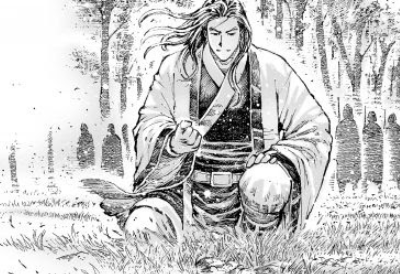
The Dawn After Darkness: Disbanding the Demon Slayer Corps
The defeat of Muzan Kibutsuji marked the end of an era, a millennium-long struggle between humanity and demons finally concluding with the triumph of light over pervasive darkness. With the progenitor of all demons eradicated, the very purpose of the Demon Slayer Corps ceased to exist. This monumental victory ushered in a new dawn, but also presented an unprecedented challenge: how does an organization forged in perpetual war adapt to an age of peace? The disbandment was not merely a procedural formality; it was a deeply emotional and complex transition for individuals who had dedicated their lives to a brutal, selfless cause.
The Formal Cessation of Operations
Following the cataclysmic final battle, the Ubuyashiki family, hereditary leaders of the Corps, made the solemn announcement of its dissolution. This decision, while inevitable and logical given the absence of demons, was met with a mixture of relief, sorrow, and uncertainty among the surviving members. For generations, the Demon Slayer Corps had operated in the shadows, a secret society protecting humanity from an unseen threat. Their existence was defined by sacrifice, rigorous training, and an unwavering commitment to justice. The formal ending signified not just the end of a mission, but the end of a way of life.
- Reason for Disbandment: The absolute elimination of Muzan Kibutsuji and all his derived demons meant there was no longer a threat requiring the specialized skills and sacrifices of the Demon Slayer Corps.
- Ubuyashiki Family’s Role: The family oversaw the orderly dissolution, ensuring that the legacy of those who fell was honored and that surviving members were supported in their transition.
- Emotional Impact: Many slayers, especially those who had joined at a young age, had known nothing but the Corps. Their identity was intrinsically linked to their role as demon slayers, making the transition to civilian life daunting.
Adapting to a World Without Demons
The transition from a life of constant vigilance and lethal combat to the mundane realities of civilian existence proved to be a profound psychological hurdle for many. Demon slayers were trained to be exceptional, to push their physical and mental limits daily. They carried the weight of countless lives on their shoulders and witnessed horrors that few could comprehend. Suddenly, these extraordinary individuals were expected to blend into ordinary society, a task far more complex than it appeared.
The adjustment required not only finding new livelihoods but also confronting the deep-seated trauma and psychological scars left by years of battle. Many suffered from what would now be recognized as post-traumatic stress, grappling with nightmares, survivor’s guilt, and the sheer emptiness that followed the cessation of their life’s purpose. The support systems that existed within the Corps, such as the camaraderie among fellow slayers and the medical care provided by the Butterfly Mansion, became crucial during this challenging period of reintegration.

Individual Paths: Lives Beyond the Blade
The diverse group of individuals who comprised the Demon Slayer Corps each embarked on unique journeys in the post-war world. While some found solace in rebuilding their lives and fostering new connections, others struggled with the echoes of their past, seeking meaning in a world that no longer demanded their swords. Their paths illustrate the varied human responses to extreme trauma and the search for purpose after an all-consuming mission.
The Kamado Family and Their Companions
Tanjiro Kamado, the central figure in the defeat of Muzan, faced a long and arduous recovery from his severe injuries, including the loss of an arm and an eye. His primary focus, however, was his beloved sister, Nezuko, who had successfully returned to human form. Together, they returned to their ancestral home, rebuilding their lives with the unwavering support of their friends. Tanjiro’s inherent kindness and resilience allowed him to gradually heal, finding peace in a simple, domestic life. He eventually married Kanao Tsuyuri, establishing a family that carried forward the warmth and compassion he embodied.
Zenitsu Agatsuma, known for his cowardly demeanor but incredible skill when unconscious, found his ultimate happiness with Nezuko. Their marriage symbolized the peace and normalcy they had fought so hard to achieve. Zenitsu, despite his initial reluctance to fight, adapted surprisingly well to a life free from demons, embracing domesticity and family life with a newfound confidence. Inosuke Hashibira, the wild and untamed boar-headed slayer, also returned to a more peaceful existence, though his eccentricities remained. He often visited the Kamado family, maintaining his unique bonds of friendship. While his exact path was less defined by traditional societal norms, he found his own version of contentment in the absence of perpetual battle.
- Tanjiro’s Recovery: Despite severe injuries, his unwavering spirit allowed him to heal physically and emotionally, finding peace in family life.
- Nezuko’s Humanity: Her successful return to human form was the ultimate reward, allowing her to live a normal life and marry Zenitsu.
- Zenitsu and Inosuke: Both found their own forms of peace, with Zenitsu embracing domesticity and Inosuke maintaining his unique, wild spirit within a calmer world.
The Surviving Hashira: A New Purpose
The Hashira, the elite swordsmen of the Corps, carried the heaviest burdens of responsibility and loss. Their transition was arguably the most challenging. Giyu Tomioka, the Water Hashira, known for his stoicism and isolation, continued to grapple with survivor’s guilt and the loss of his loved ones. While he found no immediate societal role, his journey was one of gradual healing, learning to connect with others and finding a quiet peace. His dedication to protecting others, though no longer against demons, likely manifested in subtle acts of kindness and vigilance.
Sanemi Shinazugawa, the Wind Hashira, a man hardened by immense loss and rage, underwent a significant internal transformation. While his gruff exterior remained, the absence of his brother and the finality of the war softened him incrementally. He found a new purpose in cherishing the peace his sacrifices had helped secure, learning to live with his grief rather than being consumed by it. He was often seen visiting the graves of his fallen comrades, a testament to his enduring loyalty and pain.
Other surviving members, such as Kanao Tsuyuri and Aoi Kanzaki, continued their invaluable work at the Butterfly Mansion, transforming it into a vital rehabilitation center for those recovering from the war’s physical and psychological scars. Their expertise in medicine and care provided a crucial haven for healing, ensuring that the legacy of compassion continued.
| Character | Post-War Path | Key Contribution/Impact |
|---|---|---|
| Tanjiro Kamado | Peaceful family life with Kanao, healing from injuries. | Embodiment of compassion and resilience; secured a demon-free future. |
| Nezuko Kamado | Returned to human form, married Zenitsu. | Symbol of hope and humanity’s potential for coexistence. |
| Zenitsu Agatsuma | Married Nezuko, embraced domesticity. | Found confidence and peace in a normal life. |
| Inosuke Hashibira | Maintained unique spirit, close to Kamado family. | Demonstrated adaptability and enduring friendship. |
| Giyu Tomioka | Gradual healing from trauma, finding quiet purpose. | Embodied the quiet suffering and eventual acceptance of a hero. |
| Sanemi Shinazugawa | Internal softening, honoring fallen comrades. | Demonstrated the slow process of healing deep-seated grief. |
| Kanao Tsuyuri | Continued work at Butterfly Mansion, married Tanjiro. | Provided medical care and emotional support for survivors. |
| Aoi Kanzaki | Continued work at Butterfly Mansion as a medical practitioner. | Crucial in physical and psychological rehabilitation efforts. |

Healing Wounds and Rebuilding Society
The end of the demon era brought immense relief, but the scars of war, both physical and psychological, ran deep within the surviving members of the Demon Slayer Corps and the broader society. The process of healing and rebuilding was a monumental undertaking, requiring dedicated effort and a collective commitment to peace. This phase was critical in transitioning from a world defined by fear to one of hopeful recovery and progress.
Addressing Physical and Psychological Trauma
Many demon slayers suffered grievous injuries during their service, from permanent disfigurements and lost limbs to chronic pain and debilitating illnesses. The medical knowledge and resources of the Butterfly Mansion, under the continued leadership of figures like Aoi and Kanao, became indispensable. They provided long-term care, rehabilitation, and adapted traditional medicine to address the unique wounds inflicted by demonic combat. Beyond the physical, the psychological toll was immense. Exposure to horrific violence, the constant threat of death, and the loss of comrades left many with severe post-traumatic stress. Therapies, though not formally recognized in the modern sense, involved community support, meaningful engagement, and the creation of safe spaces for survivors to process their experiences.
- Butterfly Mansion’s Role: Transformed into a central hub for physical rehabilitation and psychological support, offering medical care and a safe haven.
- Long-Term Injuries: Survivors often dealt with chronic pain, disabilities, and the need for prosthetics, requiring ongoing medical attention.
- Mental Health Support: Informal community networks and the shared experiences of trauma helped individuals cope with survivor’s guilt, nightmares, and anxiety.
Societal Integration and Acceptance
For decades, the Demon Slayer Corps operated in secrecy, its existence unknown or dismissed by the general populace. After the war, the world slowly learned of their sacrifices. The public’s perception shifted from ignorance or skepticism to profound gratitude and respect. This acceptance was crucial for the slayers’ reintegration. Finding new roles in society, such as becoming farmers, craftsmen, teachers, or even police officers, allowed them to contribute to the new peace they had fought for. The skills honed in battle, such as discipline, observation, and resilience, proved valuable in various civilian professions, albeit in different contexts.
The Ubuyashiki family, though no longer leading a fighting force, continued to play a significant role in memorializing the fallen and guiding the integration efforts. They ensured that the contributions of the Corps were never forgotten, serving as a bridge between the hidden world of demon slaying and the open society that now benefited from their ultimate victory. This process of societal healing was slow but steady, laying the groundwork for a future free from the shadows of fear.

The Eternal Flame: Preserving the Legacy and Lessons
The ultimate victory over Muzan was not merely the cessation of a threat; it was the culmination of generations of sacrifice, courage, and unwavering hope. To truly honor the fallen and ensure the peace endured, it was imperative to preserve the legacy of the Demon Slayer Corps and the invaluable lessons learned from their harrowing struggle. This involved memorializing heroes, documenting history, and subtly influencing future generations with the values that defined their fight.
Memorializing the Fallen Heroes
One of the most immediate and profound aspects of preserving the legacy was the establishment of memorials and remembrances for the countless demon slayers who perished in the line of duty. These sites served as poignant reminders of the immense cost of peace and the boundless courage of those who paid the ultimate price. Families of the fallen, along with the surviving members of the Corps, ensured that their names and stories were etched into history, preventing their sacrifices from fading into obscurity. These memorials became places of pilgrimage, not just for those who knew the slayers, but for future generations seeking to understand the foundations of their peaceful world.
- Graves and Monuments: Established across the land, honoring individual slayers and mass graves for the unknown.
- Oral Histories: Surviving slayers and the Ubuyashiki family passed down stories of bravery, sacrifice, and the horrors faced, ensuring the memory lived on.
- Cultural Impact: The tales of the Demon Slayer Corps gradually became part of folklore, teaching moral lessons of courage, selflessness, and the fight against evil, even if the direct existence of demons was no longer a threat.
Lessons for Future Generations
The most enduring legacy of the Demon Slayer Corps lies not just in the absence of demons, but in the profound lessons their struggle imparted. The principles of unity, compassion, perseverance, and the unwavering belief in humanity’s strength against overwhelming odds became foundational values. These lessons were subtly woven into the fabric of society, influencing education, family values, and community spirit. The concept of “breathing techniques” might have faded, but the spirit of pushing one’s limits for a greater good remained.
The narrative of the Demon Slayer Corps served as a powerful cautionary tale and an inspiring epic. It taught that even in the darkest times, individuals with pure hearts and strong wills could overcome seemingly insurmountable evil. This moral compass, forged in the crucible of battle, guided the generations that followed, ensuring that while demons no longer stalked the night, the vigilance against injustice and the commitment to protecting the innocent would forever be cherished. The ultimate goal was not just to defeat demons, but to cultivate a society where such evil could never again take root, fostered by the spirit of the slayers.
Frequently Asked Questions (FAQ)
- Q1: What happened to the Demon Slayer Corps after Muzan’s defeat?
- The Demon Slayer Corps was officially disbanded after Muzan Kibutsuji’s eradication, as their primary purpose of fighting demons ceased to exist. The Ubuyashiki family oversaw the dissolution, and surviving members transitioned into civilian life, grappling with physical and psychological recovery.
- Q2: Did all the Hashira survive the final battle against Muzan?
- No, many Hashira tragically perished during the intense final confrontation with Muzan and the Upper Ranks. Only a few, such as Giyu Tomioka and Sanemi Shinazugawa, survived, albeit with severe injuries and deep emotional scars. Others like Obanai Iguro, Mitsuri Kanroji, Gyomei Himejima, and Muichiro Tokito made the ultimate sacrifice.
- Q3: What became of Tanjiro, Nezuko, Zenitsu, and Inosuke after the war?
- Tanjiro and Nezuko returned to a peaceful life, with Nezuko fully human again. Tanjiro eventually married Kanao Tsuyuri. Zenitsu married Nezuko, embracing domesticity. Inosuke also found his own form of peace, maintaining close ties with his friends, though his eccentric personality remained.
- Q4: How did the surviving Demon Slayers cope with their trauma and injuries?
- Survivors faced extensive physical injuries and profound psychological trauma, including PTSD and survivor’s guilt. The Butterfly Mansion, under Aoi and Kanao, became a vital rehabilitation center. Community support, shared experiences, and finding new purposes in civilian life were crucial for their long-term healing and reintegration into society.
- Q5: Is there any chance of demons returning in the future of the Demon Slayer universe?
- According to the lore, Muzan Kibutsuji, the progenitor of all demons, was definitively destroyed, meaning the source of demon creation was eliminated. While the possibility of new threats always exists in a fictional universe, the immediate threat of demons as known by the Corps was eradicated, leading to a long era of peace for humanity.

Related Posts