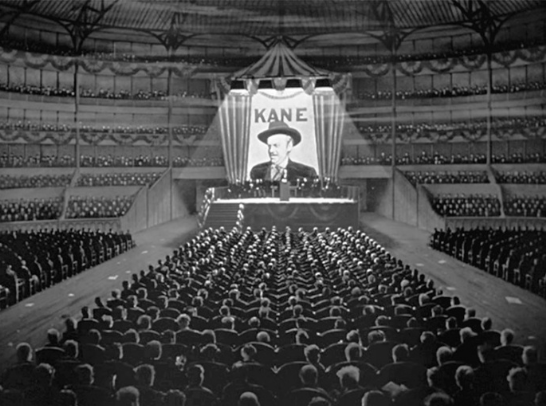
The human drive for greatness is a powerful, primal force. It builds empires, creates timeless art, and pushes the boundaries of innovation. Yet, lurking in the shadow of every monumental achievement is a story of sacrifice, obsession, and often, profound betrayal. The path to the pinnacle is rarely a noble ascent; more frequently, it is a brutal climb over broken promises and shattered relationships. This exploration delves into the anatomy of ambition, dissecting its intricate relationship with perfectionism and deceit. By analyzing the psychological torment in Damien Chazelle’s Whiplash, the foundational betrayals of Silicon Valley, and the decades-long regret in Sergio Leone’s Once Upon a Time in America, we can uncover the universal patterns that define the high cost of extraordinary success.
These narratives, though disparate in setting, are united by a common, unsettling truth: the pursuit of an ideal often requires the destruction of something, or someone, else. Whether it’s a mentor pushing a student past the brink of sanity, a visionary betraying his colleagues for control, or a friend sacrificing another for a corrupted version of the American Dream, the dynamics are eerily similar. This guide will unpack these complex themes, examining how ambition functions as both a catalyst for genius and a corrosive agent of human connection.
The Double-Edged Sword of Perfectionism: The Whiplash Effect
Damien Chazelle’s Whiplash is a masterful and harrowing depiction of the pursuit of artistic perfection. It transcends a simple story about a jazz drummer and his teacher, becoming a visceral examination of how ambition, when pushed to its absolute limit, morphs into a destructive obsession. The film’s central conflict between student Andrew Neiman and instructor Terence Fletcher serves as a perfect microcosm for the debate over the true price of greatness.
The Psychology of Andrew Neiman: From Ambition to Obsession
Andrew begins his journey at the prestigious Shaffer Conservatory with a clear and relatable ambition: to be one of the greats, like his idol Buddy Rich. This initial drive is rooted in passion, but under Fletcher’s relentless pressure, it quickly curdles into something far more dangerous. The film meticulously documents his descent. He alienates his girlfriend, dismisses his family’s concerns, and practices until his hands literally bleed. This is no longer about the love of music; it is about a desperate, all-consuming need for Fletcher’s approval, which represents the validation of his entire existence. Neiman’s journey illustrates that unchecked ambition, fueled by an external, unforgiving standard, can lead to the complete erosion of self.
Terence Fletcher as the Catalyst: Abusive Mentorship vs. Forging Greatness
Terence Fletcher is one of modern cinema’s most compelling antagonists because his philosophy is both monstrous and strangely seductive. He believes that the two most harmful words in the English language are “good job.” His method is built on psychological abuse, humiliation, and physical intimidation, all justified by the pursuit of creating the next Charlie Parker. Fletcher’s infamous anecdote about Jo Jones throwing a cymbal at Parker’s head, which supposedly spurred Parker to become a legend, is the cornerstone of his ideology. He sees himself not as a teacher but as a forge, burning away mediocrity to reveal pure, unadulterated genius. The film never gives a clear answer on whether his methods are justified, leaving the audience to grapple with the uncomfortable question: can true greatness be achieved without pushing individuals beyond the limits of humane treatment?
The Ambiguous Triumph of the Final Scene
The film culminates in one of the most intense and electrifying musical sequences ever filmed. After Fletcher attempts to publicly humiliate him, Andrew hijacks the performance with a staggering, defiant drum solo. The final moments show a silent, mutual understanding between student and master—a shared glimpse of the perfection they both sought. While it feels like a moment of triumph, it is deeply ambiguous. Andrew has achieved the greatness Fletcher demanded, but at what cost? He has become an instrument of Fletcher’s will, sacrificing his well-being and relationships for a single moment of transcendent performance. The “victory” is purely artistic, suggesting a profound personal and spiritual loss.

The Myth of Genius and the Inevitability of Betrayal in Silicon Valley
The creation myth of Silicon Valley is built on the archetype of the lone, brilliant founder who changes the world from a garage. However, the true history is far messier, steeped in collaboration, competition, and frequent, high-stakes betrayal. The “Island of Genius” is less a solitary paradise and more a “Vortex of Betrayal,” where ambition and innovation are inextricably linked to ruthless maneuvering and broken allegiances.
Deconstructing the “Genius” Archetype
The narrative of the solitary genius, from William Shockley to Steve Jobs, is a powerful but misleading myth. While these individuals were undoubtedly brilliant, their success was built on the work of teams they often manipulated or alienated. The myth serves to concentrate power and equity, but it ignores the collaborative reality of technological breakthroughs. William Shockley, the Nobel laureate and co-inventor of the transistor, is a prime example. His abrasive, paranoid management style and his decision to take the lion’s share of credit for the team’s work directly led to the most significant betrayal in the valley’s history.
Case Study: The Traitorous Eight and the Birth of Fairchild Semiconductor
The story of the “Traitorous Eight” is the foundational text of Silicon Valley’s culture of betrayal and spin-offs. In 1957, eight of Shockley’s most brilliant young researchers, including future Intel founders Gordon Moore and Robert Noyce, could no longer tolerate his tyrannical leadership. They secretly sought outside funding and left en masse to form Fairchild Semiconductor. Shockley branded them traitors, but their “betrayal” was a necessary act of creative and professional survival. Fairchild Semiconductor became the crucible for the entire industry, spawning dozens of major companies, including Intel and AMD. This event established a powerful precedent: in Silicon Valley, loyalty is secondary to opportunity, and betrayal can be a catalyst for innovation.
The Vortex of Betrayal: How Competition Corrupts Collaboration
The “Traitorous Eight” incident set the stage for a culture where the lines between collaborator, competitor, and enemy are constantly blurred. The high-pressure environment, combined with immense financial stakes and the race to be first to market, creates a “vortex” where betrayal is not just possible but often seen as a strategic necessity. This pattern is repeated throughout tech history, from the infamous rivalry between Steve Jobs and Bill Gates to the founding of Facebook, as dramatized in The Social Network. The core tension lies in the fact that groundbreaking work requires intense collaboration, yet the reward system is structured to glorify individual founders, creating a powerful incentive to betray one’s partners when the time is right.

Time, Memory, and the Long Shadow of Betrayal: A Gangster’s Elegy
Sergio Leone’s epic, Once Upon a Time in America, is a sprawling, melancholic meditation on how a single act of betrayal can define and destroy lives across decades. The film uses a fractured, non-linear narrative to explore the themes of time, memory, guilt, and the corrupted American Dream. Through the eyes of its protagonist, David “Noodles” Aaronson, we see how ambition, greed, and deceit poison a lifelong friendship and leave an indelible stain on the soul.
The American Dream Soured: Ambition and Corruption
The film follows a group of Jewish ghetto kids in New York as they rise from petty street crime to become powerful Prohibition-era gangsters. Their ambition is a twisted version of the American Dream: to achieve wealth and power through any means necessary. Their leader, Maximilian “Max” Bercovicz, is the embodiment of this relentless drive. While Noodles is often held back by sentiment and a sense of loyalty, Max is pure, sociopathic ambition. He sees friendship and morality as mere obstacles on his path to the top, setting the stage for the ultimate act of treachery.
Noodles’ Thirty-Five Years of Guilt and Regret
The central betrayal of the film occurs when Noodles, in an attempt to save Max from his increasingly reckless schemes, makes an anonymous call to the police. This act, however, appears to result in the deaths of Max and his other friends. Noodles spends the next 35 years in a self-imposed exile, haunted by the crushing guilt of his perceived betrayal. The film’s structure, which constantly shifts between the past and the “present” of 1968, masterfully illustrates how memory is distorted by trauma and regret. Noodles’ entire adult life is a ghost story, lived in the shadow of a single, fateful decision.
The Ultimate Deception: Max’s Betrayal as a Survival Tactic
The devastating climax reveals the truth: Noodles was the one who was betrayed. Max faked his own death, stole their gang’s money, and allowed Noodles to believe he was a traitor for decades. Max, now living as the wealthy and powerful Secretary Bailey, orchestrated the entire event as a way to escape his past and achieve his ultimate ambition. This revelation reframes the entire film. It is not a story of Noodles’ betrayal, but of Max’s cold, calculated deception. Max’s ambition was so absolute that he was willing to sacrifice his closest friend’s life—and soul—to achieve his goals, demonstrating the most profound level of human deceit.

Synthesizing the Patterns: Common Threads of Ambition and Deceit
When viewed together, these distinct narratives from film and history reveal powerful, overlapping patterns about the nature of ambition and its relationship with betrayal. The settings may change from a jazz conservatory to a tech lab to the streets of New York, but the fundamental human dynamics remain strikingly consistent. Certain archetypes and outcomes recur, painting a grim picture of the pursuit of greatness.
The Role of the Mentor/Antagonist Figure
In each story, a powerful, charismatic figure acts as a catalyst for both success and destruction. Terence Fletcher in Whiplash, William Shockley in the Silicon Valley origin story, and Max Bercovicz in Once Upon a Time in America all embody a similar archetype. They are driven by an obsessive vision and are utterly ruthless in their methods. They demand absolute loyalty while offering none in return, viewing other people as mere instruments to achieve their goals. Their influence forces the protagonists to confront the limits of their own ambition and morality.
Isolation as a Byproduct of Unwavering Ambition
A consistent consequence for those who relentlessly pursue greatness is profound isolation. Andrew Neiman pushes away his girlfriend and family. The “Traitorous Eight” are forced to sever ties with their mentor to realize their potential. Noodles lives a solitary life for 35 years, alienated by a guilt that wasn’t even his to bear. This pattern suggests that the intense focus required for extraordinary achievement is fundamentally incompatible with maintaining normal, healthy human relationships. The single-minded pursuit of a goal necessitates a narrowing of one’s world, often leaving the ambitious individual completely alone at the top—or at the bottom.
Is Betrayal a Prerequisite for Monumental Success?
The most unsettling question these stories raise is whether betrayal is an unavoidable, or even necessary, component of monumental success. Fairchild Semiconductor, a pillar of the modern world, was born from an act Shockley deemed traitorous. Max achieves the pinnacle of power and wealth through the ultimate deception of his friend. Fletcher believes that only by pushing someone to the point of breaking can a true artist be born. While we may wish to believe in a noble path to success, these narratives suggest that at the highest echelons of competition, a willingness to betray—whether it’s betraying a mentor, a partner, or a moral code—is often the deciding factor that separates the good from the truly great.
Frequently Asked Questions (FAQ)
- What is the central theme connecting Whiplash and the Silicon Valley myth?
- The central theme is the idea that extraordinary achievement often requires pushing beyond conventional limits, which can manifest as abusive mentorship (Fletcher) or professional betrayal (the “Traitorous Eight”). Both narratives explore whether the ends—artistic perfection or technological innovation—justify the ruthless, often inhumane, means used to achieve them.
- How does Once Upon a Time in America explore the long-term consequences of betrayal?
- The film uses a non-linear timeline to show how a single, monumental betrayal shapes the entire 35-year trajectory of its protagonist’s life. It masterfully demonstrates that the consequences are not just immediate but psychological, leading to a lifetime of guilt, regret, and distorted memory. It argues that betrayal’s deepest wound is the theft of time and identity.
- Is abusive mentorship, like Fletcher’s in Whiplash, ever justified?
- The film deliberately leaves this question open to interpretation. From a moral and ethical standpoint, Fletcher’s methods are indefensible, causing severe psychological and physical harm. However, from a purely results-oriented perspective, his pressure does unlock a transcendent performance from Andrew. The film forces the audience to consider whether such a “success” is worth the human cost, without providing an easy answer.
- Why is betrayal so prevalent in high-stakes environments like Silicon Valley?
- Betrayal is prevalent in Silicon Valley due to a confluence of factors: immense financial incentives, a culture that mythologizes individual founders over teams, intense pressure to innovate quickly (“move fast and break things”), and weak initial loyalties among ambitious individuals drawn to a rapidly growing industry. When fortunes can be made or lost on a single idea, allegiance often becomes secondary to opportunity.
- What do these stories teach us about the true cost of achieving the “American Dream”?
- These narratives present a cynical and cautionary perspective on the American Dream. They suggest that the traditional ideal of success through hard work is often a facade, masking a reality of ruthless competition and moral compromise. The true cost, as shown in these stories, is often the loss of one’s soul, the destruction of meaningful relationships, and a life haunted by the actions taken to reach the top.

Related Posts