Cinema, at its core, is a powerful medium for storytelling, capable of transporting audiences to different worlds and challenging their perspectives. Modern filmmaking continues to push boundaries, not only in technological innovation but also in its nuanced exploration of human experience, societal issues, and artistic expression. A true cinematic masterpiece transcends simple entertainment, embedding itself in our collective consciousness through its distinctive visual language, meticulously crafted narratives, and resonant thematic depth. Understanding these elements unlocks a richer appreciation for the art form and the profound impact films have on culture and individual thought.
The Art of Visual Storytelling: Aesthetic Principles in Film
Visual aesthetics form the bedrock of cinematic expression, serving as a silent narrator that guides the audience’s emotional and intellectual journey. Directors leverage a vast palette of visual techniques, including composition, color theory, lighting, and camera movement, to imbue every frame with meaning and atmosphere. These choices are never arbitrary; they are deliberate decisions that contribute to the film’s overall tone, character development, and thematic undertones, creating a unique visual signature that defines a masterpiece.
Symmetrical Harmony: Wes Anderson’s Signature Style
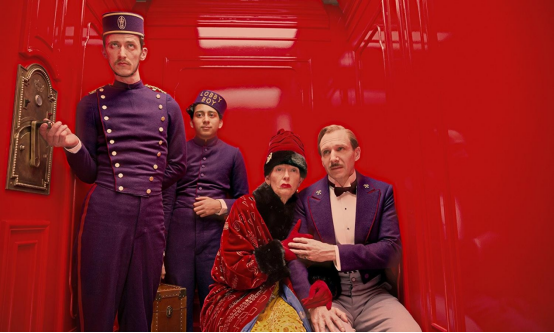
Wes Anderson stands as a prime example of a director whose visual style is immediately recognizable and deeply integral to his storytelling. His films, such as “The Grand Budapest Hotel,” are celebrated for their meticulously crafted, almost theatrical, symmetrical compositions and a distinct pastel color palette. This aesthetic choice is not merely decorative; it serves to create a world that feels both fantastical and precisely ordered, often contrasting with the chaotic or melancholic events unfolding within the narrative. The precise framing and frontal staging draw the viewer’s eye to specific details, emphasizing the characters’ often quirky isolation and the film’s underlying themes of nostalgia, loss, and the fleeting nature of beauty in a troubled world.
- Precision in Composition: Anderson’s use of one-point perspective and symmetrical shots creates a sense of visual balance and often a diorama-like quality, making the world feel contained and deliberate.
- Color Palette as Narrative Tool: The vibrant, yet specific, color schemes in his films are carefully chosen to evoke particular moods and periods, such as the rich purples and reds of the Grand Budapest Hotel itself, symbolizing a bygone era of elegance and adventure.
- Production Design Integration: Every prop, costume, and set piece is curated to fit into the overarching aesthetic, making the visual experience a fully immersive and cohesive part of the story.
Evoking Emotion: Color, Composition, and Light
Beyond symmetry, other directors utilize color, composition, and light to achieve equally profound emotional and narrative effects. The strategic use of a limited color palette or a sudden shift in lighting can signify character development, plot twists, or underlying psychological states. For instance, the use of natural light and painterly compositions in “Portrait of a Lady on Fire” evokes the classical art it references, while simultaneously creating an intimate, almost voyeuristic, experience that mirrors the artist’s gaze upon her subject. The interplay of shadows and illumination can heighten suspense, reveal hidden truths, or simply make a scene visually arresting, ensuring the audience remains captivated by the unfolding drama.
- Lighting as a Character: How light falls on a face or illuminates a setting can convey vulnerability, power, or mystery, shaping the audience’s perception without a single word.
- Compositional Framing: The way elements are arranged within the frame can direct attention, create tension, or isolate characters, influencing how the story is perceived.

Crafting Compelling Narratives: Techniques and Impact
A film’s narrative is its soul, dictating how the story unfolds, how characters develop, and what messages resonate with the audience. Beyond the visual spectacle, the true mastery of filmmaking lies in its ability to construct a narrative that is engaging, thought-provoking, and emotionally impactful. This involves a delicate balance of pacing, character arcs, dialogue, and subtext, all working in concert to build a world and tell a story that feels both authentic and profound. A well-crafted narrative ensures that the audience is not just watching events unfold, but actively investing in the journey of the characters and the resolution of their conflicts.
Character Development and Arc
The journey of a character is often the most relatable aspect of a film. Whether it’s the morally ambiguous concierge Gustave H. in “The Grand Budapest Hotel” navigating a changing world, or the blossoming artistic and emotional awakening of Marianne and Héloïse in “Portrait of a Lady on Fire,” well-developed characters undergo transformations that reflect the film’s central themes. Their struggles, triumphs, and internal conflicts drive the plot and provide an emotional anchor for the audience. A strong character arc ensures that the journey feels earned and that the characters’ final states are a logical, albeit sometimes surprising, evolution of their initial selves.
- Internal vs. External Conflict: Characters often grapple with both external obstacles and internal dilemmas, with the latter frequently leading to deeper personal growth.
- Relatability and Empathy: Even fantastical characters or those from distant eras can resonate with audiences if their core motivations and emotions are universally understood.
Pacing and Emotional Rhythm
The rhythm and pacing of a film are crucial to its narrative effectiveness. A slow, deliberate pace, as seen in “Portrait of a Lady on Fire,” allows for introspection, builds anticipation, and emphasizes the subtle nuances of human connection and forbidden desire. Conversely, a more frenetic pace, often punctuated by quick cuts and dynamic camera work, can heighten tension or convey urgency. Directors meticulously control the flow of information and emotional intensity to keep the audience engaged, ensuring that every scene serves a purpose in advancing the plot or deepening character understanding. The interplay between quiet moments and climactic sequences is what gives a film its unique emotional pulse.
- Scene Duration and Editing: The length of shots and transitions directly impacts the perceived speed and emotional weight of a scene.
- Sound and Silence: Strategic use of silence can amplify tension or intimacy, while a carefully constructed soundtrack can guide emotional responses.

Deepening Themes: Societal Commentary and Environmental Consciousness
Beyond entertainment, great films often serve as reflections of society, offering incisive commentary on human nature, political landscapes, and ethical dilemmas. The most impactful cinematic works weave their themes subtly into the fabric of the narrative, allowing audiences to discover and grapple with complex ideas rather than being overtly lectured. These themes can range from the exploration of universal human conditions to urgent calls for social or environmental change, leaving a lasting impression long after the credits roll.
Exploring Humanity in Troubled Times
Many films use their settings and characters to explore the human spirit’s resilience, fragility, and morality in the face of adversity. “The Grand Budapest Hotel”, while whimsical, is set against the backdrop of an impending war, mirroring the breakdown of European civility and the rise of fascism. The film subtly explores themes of class, loyalty, and the struggle to maintain warmth and humanity in an increasingly cold and dangerous world. Gustave H.’s unwavering dedication to manners and beauty, even amidst chaos, becomes a poignant commentary on finding grace and purpose when society crumbles around you.
- Allegory and Symbolism: The crumbling hotel itself can be seen as a symbol for a fading era and the fragility of peace.
- Moral Ambiguity: Characters often exist in grey areas, forcing audiences to confront complex ethical questions rather than simple good vs. evil narratives.
Forbidden Love and Societal Constraints
The exploration of forbidden love is a timeless theme, often used to critique societal norms and expectations. “Portrait of a Lady on Fire” masterfully delves into this, depicting a passionate, yet ultimately doomed, romance between an artist and her subject in 18th-century Brittany. The film uses the constraints of the era, particularly for women, to amplify the intensity and poignancy of their connection. It’s a powerful statement on autonomy, artistic expression, and the enduring nature of love and memory, challenging traditional patriarchal gazes and celebrating female desire and creativity. The silent, longing gazes between the two women speak volumes, conveying a depth of emotion that societal rules forbid them from expressing openly.
- Subversion of Tropes: The film redefines the “male gaze” by centering the female perspective, both literally through the artist’s brush and figuratively in the storytelling.
- Memory as Preservation: The act of painting and remembering becomes a way to preserve a love that cannot exist freely in their time.

The Evolution of Cinematic Experience: Technology and Immersion
Technological advancements have consistently reshaped the cinematic landscape, offering filmmakers new tools to create more immersive and visually spectacular experiences. From the advent of sound and color to the revolutionary use of computer-generated imagery (CGI) and 3D, each innovation has expanded the possibilities of storytelling. These technological leaps are not just about spectacle; they are about enhancing the emotional impact, expanding the scope of narrative worlds, and drawing audiences deeper into the film’s reality, blurring the lines between the screen and the viewer’s perception.
Visual Revolutions: CGI and 3D Filmmaking
James Cameron’s “Avatar” stands as a landmark in cinematic technology, often credited with ushering in a new era of 3D filmmaking and advanced CGI. The film’s stunning depiction of Pandora, a vibrant alien moon teeming with bioluminescent flora and fauna, was achieved through groundbreaking motion-capture technology and intricate visual effects. This wasn’t merely about creating pretty pictures; the technology was integral to building a believable, immersive world that underscored the film’s core themes of environmentalism and cultural clash. The 3D format was utilized not as a gimmick, but as a means to draw the audience into Pandora’s ecosystem, making the environmental destruction depicted feel more immediate and visceral.
- Immersive World-Building: Advanced CGI allows for the creation of entire ecosystems and alien species with unprecedented detail and realism.
- Enhanced Storytelling: Technology can enable narratives that would be impossible with practical effects alone, expanding creative boundaries.
Sound Design and Immersive Worlds
While often overlooked, sound design is a critical component of cinematic immersion. It encompasses dialogue, music, and ambient sound effects, all of which contribute to the film’s atmosphere and emotional resonance. The rustling leaves of Pandora, the distant cries of alien creatures, or the melancholic strains of a violin in a period drama can profoundly impact the viewer’s experience. Expert sound mixing can create a sense of space, amplify tension, or punctuate moments of emotional intensity, making the on-screen world feel more tangible and the narrative more compelling. It’s the unseen force that often dictates how we feel about what we see.
- Atmospheric Enhancement: Ambient sounds can transport viewers to specific locations and times, enhancing realism.
- Emotional Cues: Music and specific sound effects can subtly guide audience emotions, building suspense or evoking empathy.

The Lasting Legacy of Film: A Conclusion
From the whimsical symmetry of Wes Anderson to the passionate gazes of Céline Sciamma and the technological marvels of James Cameron, modern cinema continues to prove its enduring power as an art form. These films are more than just moving images; they are meticulously crafted experiences that engage our senses, challenge our intellect, and stir our emotions. By understanding the intricate interplay of visual aesthetics, narrative construction, and thematic depth, we gain a profound appreciation for the dedication and vision behind each cinematic masterpiece. The stories told on screen reflect and shape our world, offering insights, sparking conversations, and leaving an indelible mark on our cultural landscape, ensuring that the magic of film continues to captivate generations to come.
Frequently Asked Questions (FAQ)
- Q1: What defines a “Pillar Page” in the context of film analysis?
- A Pillar Page in film analysis is a comprehensive, authoritative guide that covers a broad topic (e.g., “Cinematic Techniques” or “Modern Film Themes”) in extensive detail. It acts as a central hub, linking out to more specific articles (cluster content) that delve into individual films, directors, or specific techniques, offering a holistic overview while maintaining deep dives into its sub-sections.
- Q2: How do directors like Wes Anderson use symmetry to enhance storytelling?
- Wes Anderson uses symmetrical compositions not just for visual appeal, but to create a distinct, often artificial, world that contrasts with the human drama within it. In films like “The Grand Budapest Hotel,” symmetry can evoke a sense of order, nostalgia, or even entrapment, highlighting the characters’ meticulous lives against a backdrop of impending chaos. It draws the viewer’s eye to central figures and actions, making the world feel like a carefully constructed play.
- Q3: What is the significance of the “female gaze” in films like “Portrait of a Lady on Fire”?
- The “female gaze” in “Portrait of a Lady on Fire” is significant because it subverts traditional cinematic approaches that often prioritize a male perspective. It centers the experiences, emotions, and perspectives of its female characters, particularly through the eyes of the female painter. This creates a more intimate, nuanced, and empathetic portrayal of female desire, artistic creation, and forbidden love, challenging historical and societal norms of representation.
- Q4: How did “Avatar” revolutionize cinematic technology and what was its impact on storytelling?
- “Avatar” revolutionized cinematic technology primarily through its groundbreaking use of 3D filmmaking and advanced motion-capture CGI. It moved beyond using 3D as a gimmick, integrating it seamlessly into the narrative to create an immersive, believable alien world (Pandora). This allowed for an unprecedented level of visual storytelling, making the environmental themes and the plight of the Na’vi feel incredibly real and impactful to audiences, thereby elevating the emotional and thematic weight of the narrative.
- Q5: Why is content depth and expansion crucial for an SEO Pillar Page?
- Content depth and expansion are crucial for an SEO Pillar Page because search engines prioritize comprehensive, authoritative content that thoroughly answers user queries. A deep, detailed article that covers a topic exhaustively, including specific examples, statistics, and nuanced explanations, signals expertise and trustworthiness. This anti-compression approach helps establish the page as a go-to resource, improving its chances of ranking higher for a wider range of related keywords and driving organic traffic.

Related Posts