The Evolution of the Anime Protagonist: From Underdogs to Unconventional Heroes
The landscape of action and shonen anime is fundamentally anchored by the growth path of its protagonists. Traditionally, this narrative arc is a story of youthful passion and friendship, where an underdog steadily climbs the ranks of power through sheer willpower and camaraderie. However, modern storytelling has drastically expanded this archetype, introducing deeply flawed, overpowered, or highly unconventional heroes that challenge the classic heroic mold.
The Classic Journey: Effort, Friendship, and Victory
In foundational works like Dragon Ball, the progression from a young, naive Goku to the legendary Super Saiyan set the gold standard for character evolution. This classic review of the genre highlights how incremental power scaling and the introduction of increasingly formidable foes created a blueprint for decades of storytelling. Goku’s journey is not just about physical strength; it represents the pure, unadulterated pursuit of self-improvement.
Similarly, My Hero Academia moves the hearts of fans around the world by grounding this classic trope in a highly relatable emotional core. Izuku Midoriya’s transition from a quirkless fanboy to the inheritor of the world’s greatest power perfectly encapsulates the modern underdog story. The series meticulously details the physical toll and psychological burden of this power, ensuring that the protagonist’s growth feels entirely earned rather than freely given.
- Incremental Power Scaling: Characters must endure grueling training arcs, ensuring that every victory is paid for in sweat and blood.
- The Power of Bonds: The supporting cast is never left behind. The growth path of supporting characters often mirrors or directly influences the protagonist, creating a web of mutual development.
- Ideological Confrontations: Battles are rarely just physical; they are clashes of ideals where the protagonist’s worldview is tested and solidified.
These foundational elements ensure that the audience remains emotionally invested in the character’s journey, celebrating their triumphs and mourning their inevitable setbacks.
Breaking the Mold: The Satirical and the Overpowered
Contrasting sharply with the traditional underdog is the phenomenon of One Punch Man. By introducing a superhero that breaks the mold—Saitama, who can defeat any enemy with a single punch—the narrative shifts from a quest for power to a quest for meaning. The popularity of One Punch Man lies in its brilliant satire of the very tropes established by its predecessors. It asks a profound question: what happens to the hero’s journey when the destination has already been reached?
This subversion forces the narrative to focus on the supporting cast and the societal implications of heroism, creating a rich, comedic, yet surprisingly philosophical exploration of what it truly means to be a hero in a world obsessed with rankings and dramatic battles.

Intricate World-Building and Power Systems: The Architecture of Imagination
The hallmark of a masterpiece in the anime medium is its ability to construct a secondary world that operates on internal logic so sound that it feels tangible. From gateways to the spirit world to the rigid laws of alchemy, these universes are defined by their unique, deeply regulated power systems and environmental lore.
Equivalent Exchange and the Laws of Reality
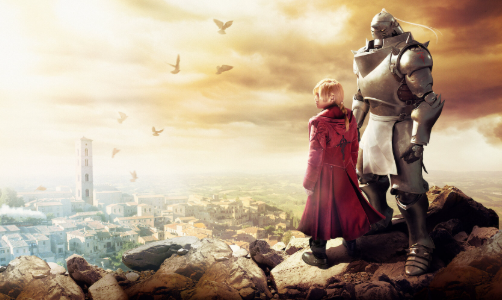
Fullmetal Alchemist stands as a towering achievement in world-building, primarily due to its central philosophical and magical system: Alchemy. The principle of Equivalent Exchange—that to obtain something, something of equal value must be lost—serves not just as a combat mechanic, but as the moral and thematic foundation of the entire series. This in-depth analysis of humanity reveals how the series utilizes this scientific magic to explore themes of grief, war, and the dangerous hubris of playing God.
Complex Metaphysics and Strategic Combat
When discussing complex systems, one must ask: have you solved the most difficult puzzle in Hunter x Hunter? The Nen system introduced by Yoshihiro Togashi is widely regarded as one of the most intricate and balanced power systems in fiction. Unlike simple energy blasts, Nen requires users to understand their psychological profile, impose strict limitations (Vows and Restrictions) on themselves to multiply their power, and engage in highly strategic, chess-like combat.
To understand how these distinct systems compare, we must look at the foundational rules that govern them within their respective universes.
| Anime Universe | Power System | Core Mechanism | Thematic Implication |
|---|---|---|---|
| Fullmetal Alchemist | Alchemy | Equivalent Exchange, Transmutation Circles | The limits of science and the cost of human ambition. |
| Hunter x Hunter | Nen | Aura manipulation based on personality types | Individuality, strategic sacrifice, and psychological warfare. |
| Bleach | Reiryoku / Zanpakuto | Spiritual energy and soul-cleansing weaponry | The balance between the living world and the afterlife. |
| Jujutsu Kaisen | Cursed Energy | Manifestation of negative human emotions | The inescapable nature of human malice and trauma. |
Furthermore, the fantastical adventure world of Bleach introduces a different kind of architectural imagination. The gateway to the spirit world (Soul Society) is structured with intense bureaucratic and militaristic hierarchies, blending traditional Japanese afterlife mythology with high-octane action. The world-building here relies heavily on atmospheric design and the aesthetic evolution of the characters’ weaponry, which physically manifests their inner souls.

The Dark Side of Humanity: Psychological Depth and Moral Ambiguity
While early action anime often relied on clear-cut battles between good and evil, modern narratives plunge audiences into the murky waters of moral ambiguity. These stories use supernatural elements as allegories to explore the darkest corners of human nature, societal collapse, and the existential dread of losing one’s humanity.
Monsters Within and Without
In Parasyte, the dark world of mutation and humanity is explored through a symbiotic relationship between a human teenager and an alien parasite. The series forces viewers to question the inherent selfishness of the human species. Are the parasites, who kill merely to survive, truly more monstrous than humans, who destroy their own environment and each other out of greed? This philosophical dilemma elevates the series from a standard body-horror thriller to a profound ecological and moral critique.
Similarly, Jujutsu Kaisen explores the worldview of curses born directly from the dark side of human nature. In this universe, negative emotions—fear, hatred, regret—literally pool together to form grotesque monsters. The sorcerers who fight them must harness this same dark energy, blurring the line between the protector and the threat. This thematic choice suggests that humanity’s greatest enemy is, and always has been, itself.
- The Normalization of Tragedy: Characters in these dark worlds often suffer permanent psychological and physical scars, breaking the illusion of plot armor.
- The Ambiguity of Justice: Antagonists are frequently driven by ideologies that, while extreme, stem from legitimate grievances against a corrupt society.
- Existential Survival: The core conflict shifts from achieving a grand dream to simply surviving in a hostile, indifferent universe.
Nowhere is this more evident than in Attack on Titan. The journey from within the walls to the ends of the world represents one of the most masterful narrative expansions in modern fiction. What begins as a desperate battle for survival against mindless, man-eating giants slowly unravels into a devastating geopolitical tragedy. Uncovering the truth of the world reveals complex themes of systemic racism, the cyclical nature of war, and the horrifying lengths individuals will go to achieve freedom.

Masterful Storytelling: Foreshadowing, Lore, and Epic Climaxes
The longevity of a pillar anime series relies heavily on the author’s ability to weave long-term narratives that reward dedicated viewers. This involves planting subtle seeds early in the story that blossom into massive, world-altering revelations years, or even decades, later.
The Art of the Long Game
When analyzing narrative structure, one must ask: how many foreshadows did Eiichiro Oda hide in One Piece? You might have missed the intricate details planted in the very first chapters that seamlessly connect to the current endgame. Oda’s mastery lies in his spatial and temporal awareness of his own universe. A casual mention of a character, a specific symbol on a background flag, or a seemingly throwaway joke often serves as a critical plot point hundreds of episodes later. This meticulous lore-building creates an unparalleled sense of a living, breathing world that progresses independently of the main characters.
Orchestrating the Ultimate Climax
Conversely, the culmination of long-term storytelling often results in massive, multi-front cinematic events. A full recap of the Ninja World War in Naruto showcases the ultimate climax of a narrative built over 15 years. This arc attempts to tie together dozens of character arcs, resolve generational conflicts, and answer thematic questions posed in the very first episode.
To successfully execute an epic climax of this magnitude, creators must balance several critical elements:
- Thematic Convergence: The final battles must not merely be tests of strength, but the ultimate clash of the series’ core philosophies (e.g., the cycle of hatred vs. the power of forgiveness).
- Character Payoffs: Every major supporting character requires a concluding arc that honors their individual growth path.
- Escalation of Stakes: The threat must evolve from a local or personal danger to a global or existential crisis, requiring unprecedented cooperation among former enemies.
While managing these massive climaxes can sometimes lead to pacing issues, the emotional payoff of seeing long-standing mysteries resolved and character arcs completed cements these series as timeless classics in the annals of pop culture.

The Burden of Power: Redemption, Protection, and the Martial Arts Path
At the heart of many action narratives is the deeply personal struggle of carrying immense power. Whether this power is inherited, accidentally acquired, or forged through years of bloody conflict, the wielder must constantly navigate the razor-thin boundary between being a protector and a destroyer.
The Weight of the Sword and the Sins of the Past
In the realm of historical fiction, Rurouni Kenshin writes a legend in the martial arts world every time the protagonist draws his sword. Kenshin Himura’s story is a profound exploration of trauma and redemption. As a former assassin who helped usher in a new era through unparalleled bloodshed, he takes a vow never to kill again, wielding a reverse-blade sword. The narrative constantly challenges his pacifism, forcing him to confront the ghosts of his past and the reality that true atonement is an endless, agonizing path.
This theme of internal conflict is mirrored in supernatural settings as well. The charm of villains in Blue Exorcist often lies in their tragic origins, highlighting the fragile boundary between demons and humanity. The protagonist, Rin Okumura, is the literal son of Satan, yet he chooses to become an exorcist to protect the human world. His daily struggle is not just against external demonic threats, but against the inherent demonic nature boiling within his own blood.
The Dilemma of the Guardian
Similarly, narratives that focus on the battle of superpowers often center around a fundamental choice: protect or destroy. The “demon dad’s dilemma” trope—where a terrifyingly powerful or traditionally villainous character is forced into a paternal or protective role—brilliantly subverts expectations. It humanizes the overpowered individual by giving them something fragile to care for, shifting their motivation from conquest or destruction to nurturing and defense.
These stories resonate deeply because they reflect the real-world responsibilities of adulthood and authority. Power, in these masterpieces, is rarely depicted as a pure gift. It is a heavy burden that demands constant moral vigilance, sacrifice, and an unwavering commitment to one’s chosen path.
Frequently Asked Questions (FAQ)
- Why is the power system in Hunter x Hunter considered one of the best in anime?
- The Nen system in Hunter x Hunter is highly regarded because of its strict internal logic, versatility, and balance. Unlike power systems that rely purely on raw energy output, Nen categorizes users into specific types and requires them to create personalized abilities. The inclusion of “Vows and Restrictions”—where a user can multiply their power by setting strict rules and severe punishments for breaking them—ensures that battles are won through tactical genius and psychological warfare rather than simple power creep.
- How does One Punch Man maintain tension if the main character is invincible?
- One Punch Man brilliantly shifts the source of tension from “Will the hero win?” to “When will the hero arrive?” and “How will the society react?” The series heavily focuses on the struggles, growth, and brutal defeats of the supporting cast (the lower-ranked heroes), making the audience care deeply about their survival. For Saitama, the tension is internal and existential—he battles immense boredom, depression, and the loss of his own humanity due to his absolute invincibility.
- What makes the world-building in Fullmetal Alchemist so unique?
- Fullmetal Alchemist’s world-building is unique because its magic system, Alchemy, is treated as a hard science governed by the unbreakable law of Equivalent Exchange. This rule seamlessly intertwines the physical mechanics of the world with the thematic and moral arcs of the characters. Furthermore, the geopolitical landscape, heavily inspired by early 20th-century Europe, features complex military states, historical atrocities, and political conspiracies, creating a deeply grounded and mature setting.
- How does Attack on Titan change its narrative genre over time?
- Attack on Titan begins as a post-apocalyptic survival horror, focusing on humanity’s desperate struggle against mindless, man-eating monsters within a walled city. However, through masterful foreshadowing and world-expanding revelations, it gradually transitions into a complex geopolitical war drama. The narrative shifts to explore themes of systemic oppression, historical revisionism, moral relativism, and the cyclical nature of violence, fundamentally changing how the audience views the “heroes” and “villains.”
- Why is foreshadowing so critical to the success of One Piece?
- Eiichiro Oda’s use of foreshadowing in One Piece creates a highly immersive and rewarding experience for the audience. By planting subtle clues, introducing background characters, and teasing lore decades before they become central to the plot, the world feels incredibly vast, lived-in, and meticulously planned. This long-term payoff builds immense trust between the author and the readers, ensuring that every new island and revelation feels like a natural, earned progression of a grand, cohesive epic.

Related Posts