The Evolution of Shonen and Seinen Narrative Structures
The landscape of Japanese animation has undergone a seismic shift over the last few decades. What once began as straightforward tales of heroism and “hot-blooded” battles has evolved into a sophisticated medium capable of exploring complex socio-political issues, existential dread, and the intricacies of the human psyche. This evolution is not merely about improved animation technology but a fundamental change in how stories are structured and how characters are developed. We see a transition from the “perfect hero” to the “flawed protagonist,” where the journey is as much about internal reconciliation as it is about external victory.
The Shift Toward Psychological Realism
Modern anime series have increasingly leaned into psychological realism, even within fantastical settings. Series no longer shy away from the trauma associated with combat or the moral ambiguity of “saving the world.” This depth is what transforms a standard comic into a cultural phenomenon, allowing audiences of all ages to find relatable elements within the struggles of ninjas, pirates, or monster hunters.
- Narrative Deconstruction: Breaking down traditional tropes to surprise the audience.
- Thematic Depth: Moving beyond “good vs. evil” to explore “perspective vs. perspective.”
- Character Archtypes: The transition from stagnant heroes to dynamic, evolving individuals.

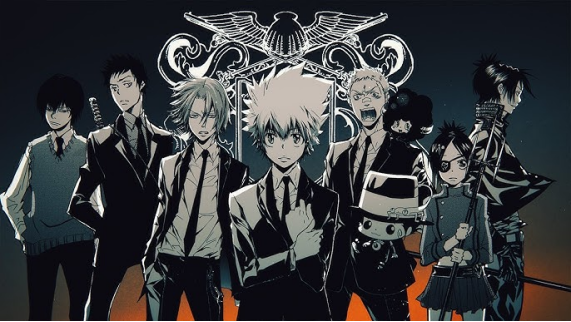
Katekyo Hitman Reborn: The Metamorphosis of the Useless Protagonist
Katekyo Hitman Reborn, often referred to as “Family Tutor,” provides one of the most stark examples of character growth in shonen history. The story follows Tsunayoshi Sawada, a middle schooler who is initially characterized by his lack of talent, courage, and ambition—earning him the nickname “Loser Tsuna.” The introduction of Reborn, an infant hitman, serves as the catalyst for a transformation that is both literal and metaphorical.
From Slapstick Comedy to High-Stakes Mafia Warfare
The series is unique in its structural pivot. It begins as a gag manga but gradually reconstructs itself into a high-stakes battle shonen. This transition mirrors Tsuna’s own growth. He does not become a hero because he wants to; he becomes a leader because he values his “family” (his friends) above his own safety. This internal motivation is a cornerstone of the series’ enduring popularity.
The Vongola Legacy and the Burden of Leadership
Leadership in the world of Reborn is not portrayed as a privilege but as a heavy burden. Tsuna’s struggle to accept his role as the 10th Boss of the Vongola Famiglia highlights the conflict between a peaceful life and the responsibilities of power. The “Dying Will” flame serves as a physical manifestation of this resolve, evolving from a desperate burst of energy into a controlled, powerful force of will.

Jujutsu Kaisen: Injecting New Vitality into Dark Fantasy
Jujutsu Kaisen has taken the anime world by storm by refining the “dark fantasy” subgenre. It manages to retain the high-energy excitement of traditional shonen while infusing it with a grim, visceral reality where death is permanent and often sudden. The series explores the concept of “Cursed Energy,” born from negative human emotions, making the monsters (Curses) a direct reflection of humanity’s own darkness.
Modernizing the Shonen Formula
Gege Akutami’s work is praised for its breakneck pacing and the avoidance of “filler” logic. Every battle serves a purpose, and every character—regardless of their screen time—is given a distinct philosophy. The protagonist, Yuji Itadori, is defined by his grandfather’s final wish: to “die surrounded by people.” This morbid yet altruistic goal drives Yuji into a world where a “proper death” is the ultimate luxury.
The Complexity of Cursed Techniques
The power system in Jujutsu Kaisen is one of the most intricate in modern media. It relies on logic, binding vows, and psychological warfare. Domain Expansion, the pinnacle of jujutsu sorcery, serves as a narrative tool to showcase a character’s inner world, turning their psyche into a literal, unavoidable battlefield.

The Burial of Frieren: A Unique Perspective on the Fantasy Field
Frieren: Beyond Journey’s End (The Burial of Frieren) stands as a masterpiece of subversion. While most fantasy stories end with the defeat of the Demon King, Frieren begins there. It focuses on the “after,” exploring the long life of an elven mage who outlives her human companions. This shift in perspective allows the series to tackle themes of time, regret, and the importance of understanding others before it is too late.
The Melancholy of Immortality
Frieren’s journey is not one of conquest but of retrospection. The narrative uses flashbacks to the original 10-year quest to contrast with her current travels, highlighting how much she missed during those years because of her different perception of time. This creates a deeply emotional experience for the reader, emphasizing that even a “boring” interaction can become a cherished memory.
Quiet World-Building and Emotional Resonance
Unlike many action-heavy series, Frieren excels in its quiet moments. The world-building is subtle, shown through changing landscapes and the legacy left behind by the Hero party. It argues that the true “magic” of the world isn’t found in destructive spells, but in the small, seemingly insignificant efforts to connect with other living beings.

Demon Slayer: The Alchemy of Popularity and Visual Excellence
Demon Slayer (Kimetsu no Yaiba) is a global phenomenon that proved how high-quality production can elevate a traditional story into a legendary one. While its core premise—a boy hunting demons to save his sister—is classic, its execution is flawless. The series balances intense action with a profound sense of empathy, even for the villains.
The Power of Familial Bonds
At the heart of Demon Slayer is the relationship between Tanjiro and Nezuko Kamado. This bond provides the emotional stakes that drive the entire plot. Tanjiro’s kindness is his greatest strength, allowing him to maintain his humanity in a world consumed by bloodlust. This thematic focus on “kindness as a weapon” resonated deeply with audiences worldwide.
Technological Breakthroughs in Animation
The collaboration with Ufotable brought a unique visual style to the series, blending traditional Japanese art aesthetics (like Ukiyo-e) with cutting-edge 3D CGI. The “Breathing Styles” are visualized as beautiful, flowing elements that make every combat sequence a work of art, contributing significantly to its viral success and box-office records.

One Punch Man: Shattering the Superhero Mythos
One Punch Man is a brilliant satire that deconstructs the very idea of the “hero’s journey.” Saitama, the protagonist, has already reached the pinnacle of power. He can defeat any foe with a single punch. Instead of making him a triumphant figure, this power has left him in a state of existential boredom. The series asks: “What happens after you’ve already won?”
Satire and Social Commentary
Through the Hero Association, the series critiques bureaucracy, celebrity culture, and the arbitrary nature of rankings. While other heroes struggle with complex backstories and intense training arcs, Saitama’s “secret” to power is comically mundane. This contrast highlights the absurdity of traditional shonen power scaling.
The Spectacle of Side Characters
Since the protagonist is essentially invincible, the tension in One Punch Man is often carried by the supporting cast. Characters like Genos, Mumen Rider, and the S-Class heroes provide the traditional struggle and growth that Saitama lacks. Their battles serve to highlight the sheer scale of the threats, which Saitama then resolves with anticlimactic ease.

Inuyasha: A Timeless Blend of Folklore and Romance
Inuyasha remains a beloved classic because of its masterful blend of Sengoku-period folklore, supernatural action, and romantic tension. Rumiko Takahashi created a world where the search for the Shikon Jewel fragments serves as a vehicle for exploring the nature of the heart and the cycle of hatred.
Dual Worlds and Cultural Contrast
The narrative bridge between modern Japan and the feudal era allows for a unique exploration of how values change over time. Kagome’s modern perspective brings a sense of empathy and logic to a world ruled by strength and spirits. This dynamic is central to the character development of Inuyasha himself, as he learns to move past his half-demon insecurities.
The Tragedy of Kikyo and the Complexity of Love
The love triangle between Inuyasha, Kagome, and the resurrected Kikyo is one of the most nuanced in anime. It isn’t just about romance; it’s about the weight of the past and the difficulty of letting go. Kikyo’s tragic existence adds a layer of sorrow to the series that elevates it beyond a simple adventure story.

Attack on Titan: The Architecture of a Masterpiece
Attack on Titan (Shingeki no Kyojin) is widely considered a narrative masterpiece due to its incredible foreshadowing and world-building. What begins as a survival story against mindless giants evolves into a complex political thriller and a meditation on the cycle of violence, freedom, and the cost of survival.
The Illusion of Choice and the Pursuit of Freedom
Eren Yeager’s transformation from a victim to a perpetrator is one of the most controversial and well-executed character arcs in fiction. The series challenges the audience’s morality by showing that “monsters” are often created by the circumstances of their birth. The concept of “freedom” is examined from multiple angles, eventually asking if true freedom is even possible in a world defined by conflict.
Global Scale and Historical Parallels
The shift from the walls of Paradis to the global stage of Marley expanded the story’s scope significantly. By introducing historical parallels to real-world conflicts and prejudices, Hajime Isayama forced readers to confront uncomfortable truths about human nature and the ease with which people can be indoctrinated into hate.

Naruto: The Life Philosophy Behind the Ninja Adventure
Naruto is more than just a story about ninjas; it is a profound exploration of loneliness, recognition, and the “Will of Fire.” Masashi Kishimoto used the world of shinobi to discuss how individuals can overcome a traumatic past to build a better future, not just for themselves, but for their entire society.
The Burden of Loneliness
Both Naruto Uzumaki and Sasuke Uchiha are defined by their isolation, but they take different paths to resolve it. Naruto seeks recognition through positive action and bonds, while Sasuke seeks power through severance and revenge. This central conflict drives the narrative toward a conclusion that emphasizes the necessity of understanding and forgiveness.
The Philosophy of Pain
The “Pain Arc” remains a high point in shonen history. The villain, Pain (Nagato), presents a logical argument for why the world can only achieve peace through shared suffering. Naruto’s response—choosing to break the cycle of hatred rather than continue it—remains one of the most powerful thematic resolutions in the medium.

One Piece: The Grand Pursuit of Freedom and Dreams
One Piece is a testament to the power of long-form storytelling. Eiichiro Oda has created a world of unparalleled scale, where every island has its own history, culture, and political struggle. At its core, it is a story about the pursuit of dreams and the true meaning of freedom.
The Mystery of the Void Century
The overarching mystery of the “One Piece” and the “Void Century” keeps the global audience engaged. The story cleverly weaves together individual character goals with a grand historical conspiracy, making every revelation feel earned and monumental. The idea that “One Piece is real” has become a cultural touchstone for persistence and hope.
Inherited Will and the Power of Smiles
The concept of “Inherited Will” suggests that as long as someone remembers a person’s dream, that person never truly dies. This philosophy allows the story to maintain a sense of optimism even in its darkest moments, such as the execution of Portgas D. Ace or the tragedy of Ohara.

Fullmetal Alchemist: Sacrifice, Struggle, and Equivalent Exchange
Fullmetal Alchemist (and Brotherhood) is often cited as the “perfect” anime. It features a tightly constructed plot with no wasted moments, centered around the law of Equivalent Exchange: “To obtain something, something of equal value must be lost.” This law serves as both a scientific principle and a moral framework for the characters.
The Weight of Human Transmutation
The Elric brothers’ journey begins with a failure—an attempt to bring their mother back to life that costs them their bodies. This original sin haunts them throughout the series, serving as a constant reminder of the limits of human knowledge and the sanctity of life. Their refusal to use a Philosopher’s Stone (made from human lives) to regain what they lost is the ultimate test of their character.
Political Intrigue and the Seven Sins
The antagonists, the Homunculi, represent the seven deadly sins, but they are also tools of a larger state-sponsored conspiracy. The series masterfully blends alchemy with military politics, exploring how power can corrupt and how collective action can overthrow even the most entrenched tyranny.

Tokyo Ghoul: Exploring the Boundaries of Humanity
Tokyo Ghoul is a harrowing exploration of identity and the “other.” Through the eyes of Ken Kaneki, a human turned half-ghoul, the series forces the audience to question what truly makes someone human. Is it biology, or is it the capacity for empathy and choice?
The Tragedy of the In-Between
Kaneki belongs to neither the human world nor the ghoul world, making him a tragic figure who must navigate the violence of both. His descent into madness and his eventual emergence as a leader highlights the psychological toll of living in a society that refuses to acknowledge your right to exist. The “blood and horror” are not just for shock value; they represent the visceral reality of a predator-prey relationship.
Social Commentary on Coexistence
The series serves as a metaphor for marginalized groups and the cycle of radicalization. By showing the perspectives of both the CCG (investigators) and the ghouls of Anteiku, Sui Ishida illustrates that conflict is often fueled by a lack of communication and the fear of the unknown.

Frequently Asked Questions (FAQ)
- Q1: Why is Attack on Titan considered a masterpiece compared to other shonen?
- Attack on Titan is distinguished by its meticulous narrative structure. Unlike many series that make up the plot as they go, AOT features “circular storytelling” where the ending is foreshadowed in the very first episode. Its transition from a simple horror premise to a complex geopolitical and philosophical drama is handled with rare consistency and depth.
- Q2: What makes One Punch Man’s satire effective?
- The satire works because it doesn’t just mock the genre; it understands it. By giving Saitama “infinite” power, the story removes the tension of physical conflict and replaces it with the tension of character philosophy and social commentary. It highlights how the “struggle” is what gives a hero’s life meaning, and without it, there is only a vacuum.
- Q3: Is Fullmetal Alchemist: Brotherhood better than the 2003 version?
- While the 2003 version is praised for its darker, more character-focused original ending, Brotherhood is generally considered superior because it follows the manga’s complete story. Brotherhood offers a more expansive world, a larger cast of characters, and a more satisfying, logically sound conclusion that aligns with the author’s original vision.
- Q4: Why does Naruto’s “Talk no Jutsu” receive so much criticism and praise?
- It is criticized because it can feel like a “deus ex machina” that resolves conflicts too easily. However, it is praised because it aligns with the series’ core theme: that violence only breeds more violence, and the only way to achieve true peace is through communication and shared understanding. It is a thematic victory rather than just a physical one.
- Q5: How does Frieren change the fantasy genre?
- Frieren changes the genre by focusing on the “aftermath” of the adventure. It de-emphasizes the destination and focuses on the journey of emotional discovery. By using an immortal protagonist, it forces the audience to confront the fleeting nature of human life and the importance of the small moments we often take for granted.

Related Posts