Cinema serves as a profound mirror to the human condition, capturing the rawest emotions of grief, the fiercest battles for justice, and the delicate process of healing. This guide delves into a curated selection of films that stand as pillars of storytelling, each offering a unique perspective on how individuals navigate the darkest corners of existence to find a glimmer of hope or a path to redemption.
The Fire of Justice and Redemption in Ebbing, Missouri
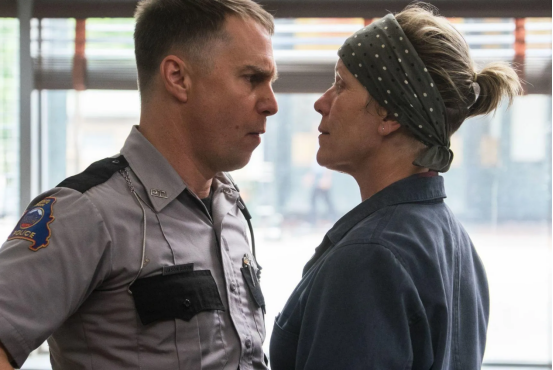
Martin McDonagh’s Three Billboards Outside Ebbing, Missouri is a masterclass in exploring the volatility of grief and the cyclical nature of violence. The film centers on Mildred Hayes, a mother consumed by the unsolved murder of her daughter, who takes the radical step of renting three billboards to challenge the local police department’s perceived apathy.
The Anatomy of Mildred’s Rage
Mildred is not a traditional protagonist; she is abrasive, relentless, and often morally ambiguous. Her rage is a manifestation of her helplessness. By placing the billboards, she forces the community to confront a tragedy they would rather forget. The film meticulously details how her actions trigger a chain reaction of violence, highlighting that while her cause is just, her methods often leave a trail of collateral damage.
The Transformation of Officer Dixon
One of the most compelling arcs in modern cinema is that of Jason Dixon. Initially portrayed as a racist, incompetent officer, his journey toward a semblance of redemption is sparked by a letter from the dying Chief Willoughby. This transformation suggests that redemption is not about erasing past sins but about the difficult, conscious choice to do better. The film ends not with a resolution of the crime, but with a shared acknowledgment of the burden of living with unresolved pain.

Maternal Bonds and Almodóvar’s Exploration of Self-Redemption
Pedro Almodóvar’s All About My Mother (Todo sobre mi madre) is a vibrant, empathetic tribute to the strength of women and the fluidity of identity. Following the tragic death of her son, Esteban, Manuela embarks on a journey to Barcelona to find the boy’s father, who is now a transgender woman named Lola.
The Theatricality of Life and Grief
Almodóvar uses the backdrop of Tennessee Williams’ A Streetcar Named Desire to parallel the drama of the characters’ lives. The film suggests that life itself is a performance, and through “performing” roles of care—as nurses, mothers, and friends—these women find a way to survive. Manuela’s journey is one of self-redemption; by caring for others, such as the pregnant, HIV-positive Sister Rosa, she heals the void left by her own son’s passing.
A Community of Resilience
The film emphasizes that family is not merely biological. The bond between Manuela, Agrado, and Rosa forms a protective sanctuary. Almodóvar’s use of bold colors and melodramatic tropes serves to elevate the everyday struggles of these women to the level of high art, proving that redemption is often found in the act of selfless nurturing.

Breaking Chains: Female Liberation and Defiance in Thelma & Louise
Thelma & Louise remains a definitive cultural touchstone for female empowerment and the rejection of patriarchal oppression. What begins as a simple weekend getaway transforms into a desperate flight for freedom after a traumatic act of self-defense.
From Victims to Outlaws
The character development of Thelma and Louise is stark. Thelma evolves from a repressed housewife into a woman who finds her own voice and courage, while Louise, haunted by a past trauma, finds the strength to stop running. Their journey across the American Southwest is a symbolic shedding of societal expectations. They choose to become outlaws rather than submit to a system that they believe will never truly offer them justice.
The Symbolism of the Final Leap
The controversial and iconic ending—driving into the Grand Canyon—is often interpreted not as a defeat, but as a final, ultimate act of autonomy. By choosing their own end, they ensure that they can never be “caught” or returned to the lives that stifled them. It is a radical statement on the price of freedom in a world that seeks to control female agency.

From Trauma to Global Advocacy: The Story of Desert Flower
Desert Flower provides a harrowing yet inspiring look at the life of Waris Dirie, who fled an arranged marriage in the Somali desert to eventually become a world-renowned supermodel and UN spokesperson against Female Genital Mutilation (FGM).
The Contrast of Two Worlds
The film skillfully juxtaposes the harsh, traditional life of the Somali desert with the shallow, high-octane world of London’s fashion industry. Waris’s struggle to adapt to Western culture while carrying the physical and psychological scars of her childhood is portrayed with immense sensitivity. Her “success” is not measured by her fame, but by her courage to speak out about a taboo subject that affects millions of women worldwide.
Resilience as a Catalyst for Change
Waris Dirie’s story is a testament to the fact that personal suffering can be transformed into a global mission. The film does not shy away from the brutality of FGM, making her eventual triumph and advocacy all the more powerful. It serves as a call to action, highlighting how individual resilience can lead to systemic social change.

Finding Light in Darkness: Life is Beautiful and C’è ancora domani
Both Roberto Benigni’s Life is Beautiful and Paola Cortellesi’s C’è ancora domani (There’s Still Tomorrow) explore the power of the human spirit to preserve dignity and love in the face of systemic oppression—be it the Holocaust or domestic abuse in post-war Italy.
The Shield of Imagination
In Life is Beautiful, Guido Orefice uses humor and elaborate games to protect his son, Giosuè, from the horrors of a Nazi concentration camp. This “beautiful lie” is an act of supreme fatherly love. The film posits that while the body can be imprisoned, the mind and the spirit can remain free through the power of imagination and optimism.
Domestic Resilience in Post-War Italy
C’è ancora domani offers a different but equally poignant look at resilience. Set in 1946 Rome, it follows Delia, a woman navigating a violent marriage and the societal shifts of a nation in transition. The film uses a unique stylistic approach to depict domestic abuse, emphasizing Delia’s internal strength and her ultimate quest for a “tomorrow” that offers more than just survival—it offers the right to participate in the future of her country.

Comparative Analysis of Cinematic Resilience
While these films originate from different cultures and eras, they share common threads in how they treat the concept of the human spirit. The following table compares the core themes and the “catalyst” for change in each film.
| Film Title | Core Theme | Catalyst for Transformation | Outcome |
|---|---|---|---|
| Three Billboards | Rage & Redemption | A letter from a mentor | Moral awakening |
| All About My Mother | Maternal Love | The death of a child | Creation of a “chosen” family |
| Thelma & Louise | Liberation | An act of self-defense | Absolute autonomy |
| Desert Flower | Survival & Advocacy | Fleeing forced marriage | Global activism |
| Life is Beautiful | Protective Optimism | The need to save a child | Sacrificial legacy |
Frequently Asked Questions (FAQ)
- Q1: What is the significance of the “three billboards” in the film?
- The billboards serve as a physical manifestation of Mildred’s grief and a public indictment of the police department’s failure. They are a catalyst that disrupts the status quo of the town, forcing everyone to confront an uncomfortable truth that had been sidelined.
- Q2: How does Almodóvar define “motherhood” in All About My Mother?
- Almodóvar defines motherhood beyond biological ties. To him, motherhood is an act of empathy, caregiving, and resilience. It is a role that can be inhabited by anyone who chooses to nurture another, regardless of gender or blood relation.
- Q3: Is Thelma & Louise considered a feminist film?
- Yes, it is widely regarded as a landmark feminist film because it centers on female friendship and the rejection of male authority. It explores the reality of systemic violence against women and the extreme lengths women must sometimes go to achieve true independence.
- Q4: Is Desert Flower based on a true story?
- Yes, it is based on the autobiography of Waris Dirie. The film accurately portrays her journey from a nomadic life in Somalia to becoming a top model and a leading activist against FGM, bringing international attention to the practice.
- Q5: Why is humor used in a Holocaust film like Life is Beautiful?
- Humor in the film is used as a survival mechanism and a weapon of resistance. It is not intended to diminish the tragedy of the Holocaust, but to show how the human spirit can use creativity and love to shield the innocent from total psychological destruction.

Related Posts