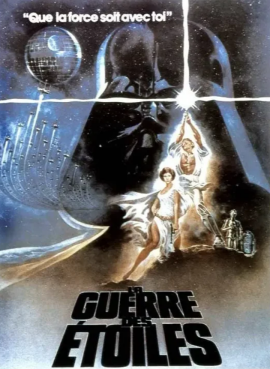
Since the first Star Wars movie was released in 1977, this massive galactic epic series has gained countless fans around the world with its grand worldview, ups and downs of the plot and imaginative sci-fi settings. However, as the series continues to be launched, including multiple sequels, prequels and derivative works, it has become a problem for new audiences to choose the right viewing order. The following is a recommended viewing order.
Star Wars Episode IV: A New Hope
“A New Hope” is the opening chapter of the entire “Star Wars” series and the starting point for many viewers to get in touch with this universe. Luke Skywalker (Mark Hamill) is a humble farm boy whose fate is closely linked to the war between the huge Galactic Empire and the Rebels. Through Luke’s perspective, we see a vast universe full of contradictions, conflicts and unknowns.
This film laid the core elements of the “Star Wars” series, such as the Force, Jedi Knights, Sith, lightsaber duels, etc. Its release caused a huge sensation at the time, and its imaginative space battle scenes and unique character settings completely changed the landscape of science fiction movies.
Star Wars V: The Empire Strikes Back
Following the plot of A New Hope, the rebels were counterattacked by the Empire after their victory. Under the command of Darth Vader, the Empire attacked the rebel base, and Luke, Leia and others were forced to evacuate. In order to improve his Force skills, Luke went to Dagobah to find Jedi Master Yoda for training. Han Solo and Leia launched a series of thrilling chases with the Empire during their escape.
The film deepens the story of Star Wars and shows the complex emotions and growth of the characters. Its plot twists and character relationship revelations, such as Luke and Vader’s recognition as father and son, have become classic moments in film history.
This film further advances the original storyline, making the audience more concerned about the fate of the characters, while also laying the groundwork for the subsequent plot development of “Return of the Jedi”.
Star Wars Episode VI: Return of the Jedi
It tells the story of Luke Skywalker’s growth into a Jedi Knight and his fight with the Rebels against the Galactic Empire in the final battle.
As the final chapter of the original trilogy, Return of the Jedi successfully ended the war between the Rebels and the Empire, and also brought the story of the main characters to a close. It showcases the theme of justice triumphing over evil, and also allows us to see the growth and redemption of the characters.
Star Wars Episode I: The Phantom Menace
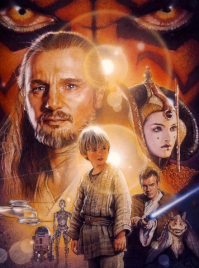
This is the fourth film in the Star Wars series, but it is the beginning of the entire series in terms of timeline , pulling the timeline back 32 years before the original story . It tells the turbulent situation of the Galactic Republic and the childhood origin story of Anakin Skywalker.
This movie shows the audience the early appearance of the Star Wars universe, and introduces important background information such as the Trade Federation and the rise of the Sith. Through Anakin’s childhood story, we can see an innocent and kind child, which lays the groundwork for his subsequent blackening. After watching the original trilogy, watching The Phantom Menace will allow you to explore the origin of everything with an understanding of the ending of the story, and feel the impermanence of the character’s fate and the reincarnation of history.
Star Wars Episode II: Attack of the Clones
This is the fifth film in the Star Wars series, but the second in the timeline , and the story takes place ten years after The Phantom Menace . It focuses on the growth of Anakin Skywalker, the internal divisions of the Galactic Republic, and the beginning of the Clone Wars.
This film further enriches the worldview of “Star Wars”, showing the outbreak of the Clone Wars and the role of the Jedi Knights in the war. Anakin gradually showed his inner conflicts and struggles during this period. His desire for power and fear of loss pushed him step by step towards darkness. From the order of watching the film, it laid an important foundation for the climax of the prequel trilogy “Revenge of the Sith”, and also allowed the audience to have a deeper understanding of the decline of the Republic and the rise of the Empire after understanding the original story.
Star Wars Episode III: Revenge of the Sith
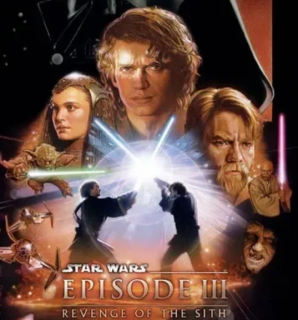
This is the sixth film in the Star Wars series, but it is the final chapter of the prequel trilogy in the timeline, and it is also the most tragic one in the entire Star Wars series . The film tells the story of Anakin Skywalker’s fall into darkness and becoming Darth Vader, as well as the fall of the Galactic Republic and the rise of the Galactic Empire.
This film profoundly shows Anakin’s fall from hero to villain, the rise of the Sith forces and the fall of the Jedi Order. It explains many unsolved mysteries in the original story, such as the birth of Darth Vader and the establishment of the Empire.
If you watch the films in the order described in this article, and then look back at the root of it all after knowing the ending of the original story, you will have a deeper understanding of the fate of the characters and the development of the story.
Star Wars Episode VII: The Force Awakens
As the seventh film in the Star Wars series, it symbolizes a new start for this legendary science fiction epic. The film not only continues the worldview built by the previous film, but also reaches new heights in terms of visual effects, emotional resonance, and character creation, bringing a strong emotional impact to old fans and opening the door to the world of Star Wars for new audiences.
The story is set decades after Star Wars VI: Return of the Jedi, and the galaxy is once again in turmoil. The First Order has risen strongly, replacing the former Empire and becoming a new threat.
This movie restarted the post-sequel trilogy of the “Star Wars” series, introduced a group of new characters, and also brought back classic characters. It continued the core elements of the “Star Wars” series, such as the Force, lightsaber duels, and the confrontation between good and evil, and once again ignited the audience’s enthusiasm for this universe.
Star Wars : The Last Jedi
Continuing from the plot of “The Force Awakens”, the Resistance is at a disadvantage in the battle with the First Order, and they urgently need to find Luke Skywalker, hoping that he can revive the Jedi Order and lead everyone to fight against the First Order.
The film made a bold breakthrough and innovation in the traditional settings of the “Star Wars” series, exploring profound themes such as the nature of the Force and the future of the Jedi Order. It shows the growth and transformation of new characters, as well as their courage and persistence in the face of powerful enemies.
Star Wars: The Rise of Skywalker
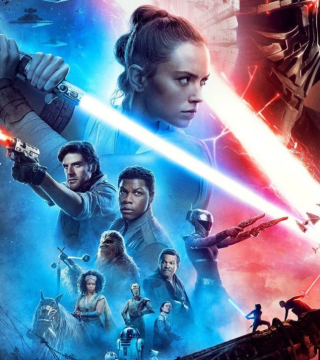
As the final chapter of the sequel trilogy, it tells the story of the First Order becoming more powerful under the secret manipulation of Palpatine (Emperor). They built the super weapon “Death Star Debris” in an attempt to completely destroy the Resistance. Rey, Finn, Poe Dameron and other members of the Resistance once again embark on an adventure to save the galaxy.
This movie brings to an end the nine original films in the “Star Wars” series. It integrates multiple story lines and answers many questions that the audience is concerned about, such as Rey’s life experience and the fate of the Skywalker family.

Related Posts