The Archetypal Hero’s Journey in Epic Cinema
Both The Lord of the Rings and Star Wars serve as quintessential examples of the Hero’s Journey, a narrative framework popularized by Joseph Campbell. In these stories, an unlikely protagonist is thrust from a state of comfort into a world of conflict, where they must undergo significant internal and external transformation to restore balance to the universe.
Frodo Baggins and the Burden of the Ring
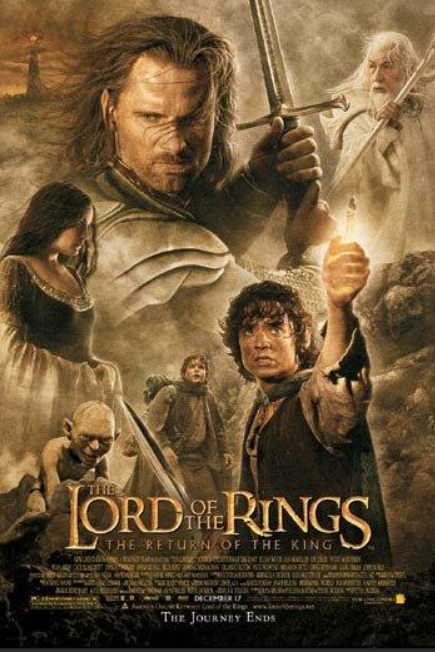
Frodo’s journey is defined by the weight of responsibility. Unlike the traditional warrior-hero, Frodo is a figure of humility and endurance. His struggle is not merely with the physical threat of Sauron, but with the psychological corruption of the One Ring. This internal conflict mirrors the moral dilemmas faced by heroes across literary history.
- The Call to Adventure: The transition from the peaceful Shire to the perilous path of the Fellowship.
- Sacrifice and Growth: The realization that victory requires not just strength, but the sacrifice of innocence.

The Eternal Struggle Between Light and Darkness
At the core of both franchises lies a binary conflict that transcends mere combat. Whether it is the Force in the Star Wars galaxy or the Light of Eärendil in Middle-earth, the narrative insists that evil is a corruption that must be actively opposed. The villains, such as Sauron or the Emperor, represent absolute power and the desire for total control, while the heroes represent the preservation of freedom and life.
The Force vs. The Power of the Ring
While the Force is a natural energy field, the One Ring is a singular artifact of malice. However, both serve as catalysts for the plot. The Jedi’s discipline in using the Force mirrors the necessity of resisting the seductive pull of the Ring. Both narratives suggest that the greatest power lies in restraint and the refusal to exert dominance over others.
| Feature | The Lord of the Rings | Star Wars |
|---|---|---|
| Primary Antagonist | Sauron | The Emperor / Darth Vader |
| Source of Power | The One Ring | The Force |
| Theme | Fellowship & Sacrifice | Redemption & Destiny |
Legacy and Cultural Impact
These two sagas have fundamentally altered the landscape of modern entertainment. By blending high-fantasy stakes with grounded emotional arcs, they have created a blueprint for world-building that subsequent franchises attempt to emulate. Their success lies in their ability to make massive, cosmic conflicts feel deeply personal to the audience.
Frequently Asked Questions (FAQ)
- Q1: How do these stories define the concept of a hero?
- Both franchises move away from the “invincible warrior” trope, instead focusing on heroes who are defined by their flaws, fears, and moral choices. Their heroism is found in their persistence despite overwhelming odds.
- Q2: Why is the setting so important in these epics?
- The world-building acts as a character itself. Whether it is the sprawling galaxy of Star Wars or the ancient landscapes of Middle-earth, the environment dictates the stakes and the cultural history of the characters.
- Q3: Is the conflict between good and evil too simplistic?
- While the overarching conflict is binary, the execution is nuanced. Characters like Darth Vader or Gollum provide complex explorations of morality, showing that the path to darkness is often paved with good intentions or tragedy.
- Q4: What is the primary takeaway from these sagas?
- The primary takeaway is the importance of collective action. No hero succeeds alone; it is the bond of friendship and the support of a community that ultimately turns the tide against darkness.

Related Posts