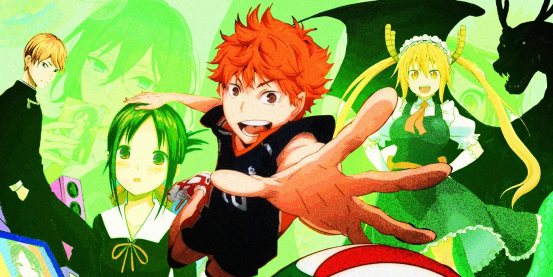
Understanding Japanese Anime Aesthetics and Global Otaku Culture
The distinctive visual language and storytelling conventions of Japanese anime have profoundly influenced global popular culture, forging a unique aesthetic identity that resonates with millions. From its pioneering days, anime has consistently pushed artistic boundaries, developing a visual lexicon that is both instantly recognizable and endlessly adaptable. This aesthetic foundation is not merely about character design or animation techniques; it encompasses narrative structures, thematic depth, and a unique approach to conveying emotion that sets it apart from Western animation. The global spread of this aesthetic has been instrumental in shaping what is now known as “otaku culture,” a vibrant, dedicated community united by a shared passion for anime and its related media.
The Visual Language of Anime: From Tezuka to Modern Styles
Anime’s visual evolution is a rich tapestry woven from diverse influences, starting with the foundational work of Osamu Tezuka, often hailed as the “God of Manga.” Tezuka’s early works, inspired by Disney animation, introduced large eyes, expressive facial features, and dynamic action sequences that became hallmarks of the burgeoning industry. However, anime quickly developed its own distinct path, moving beyond mere imitation to cultivate a style characterized by:
- Exaggerated Proportions: Characters often feature slender bodies with proportionally larger heads and eyes, allowing for a wide range of emotional expression.
- Dynamic Camera Angles: Anime frequently employs cinematic techniques, including dramatic camera movements, slow-motion, and rapid cuts, to heighten tension and convey action.
- Stylized Backgrounds: Detailed and often picturesque backgrounds are used not just as settings but as mood-setters, contributing significantly to the atmosphere and emotional tone of a scene.
- Symbolic Visuals: Unique visual metaphors, such as sweat drops for embarrassment or glowing eyes for determination, are integrated into the animation to convey internal states efficiently.
Over decades, these elements have diversified into countless sub-styles, from the gritty realism of cyberpunk anime to the whimsical charm of Studio Ghibli, each contributing to a globally recognized aesthetic that continues to evolve with technological advancements and artistic innovations.
Anime’s Role in Shaping Global Pop Culture
The influence of anime extends far beyond its original audience in Japan, permeating various facets of global pop culture. Its distinct aesthetic and narrative approaches have inspired filmmakers, fashion designers, musicians, and artists worldwide. Major franchises like Dragon Ball, Sailor Moon, and Pokémon served as early ambassadors, introducing millions to the medium and laying the groundwork for its widespread acceptance. This cultural diffusion has led to:
- Fashion Trends: Anime-inspired clothing, hairstyles, and accessories are visible in mainstream fashion.
- Artistic Inspiration: Western animators and comic artists frequently cite anime as a significant influence on their work.
- Linguistic and Lexical Impact: Terms like “otaku,” “kawaii,” and “tsundere” have entered global vernaculars, reflecting anime’s cultural penetration.
- Narrative Innovation: Anime’s willingness to tackle complex themes, moral ambiguities, and long-form serialized storytelling has pushed boundaries in global entertainment.
The medium’s capacity to blend genres, from science fiction and fantasy to drama and romance, with unique emotional depth has made it a powerful force in diversifying global entertainment landscapes.
The Evolution of Otaku Identity and Community
The term “otaku,” once carrying negative connotations in Japan, has been reappropriated globally to describe passionate fans of anime, manga, and related Japanese pop culture. This global otaku community is characterized by its dedication, knowledge, and active participation. It is a testament to anime’s power to foster deep connections and create shared identities across geographical and cultural divides. Key aspects of this evolution include:
- Online Fandoms: The internet has been crucial in connecting otaku worldwide, enabling discussions, fan art, fan fiction, and collaborative projects.
- Conventions and Events: Anime conventions, cosplay events, and fan gatherings provide physical spaces for fans to express their passion and connect with like-minded individuals.
- Merchandise and Collectibles: A robust market for anime merchandise, figures, and collectibles further solidifies fan identity and engagement.
- Creative Output: Many otaku are inspired to create their own art, stories, and even independent animation, forming a self-sustaining creative ecosystem.
This evolving identity highlights anime’s role not just as entertainment, but as a catalyst for community building and cultural exchange, demonstrating its profound social impact.

The Enduring Charm of Slice-of-Life Anime
In a world often saturated with high-stakes battles, epic quests, and dramatic confrontations, slice-of-life anime offers a serene counterpoint, finding profound beauty and emotional resonance in the mundane. This genre, which focuses on the everyday lives of ordinary characters, has garnered a dedicated following for its ability to provide comfort, foster empathy, and offer a unique form of escapism. Unlike action-packed narratives, slice-of-life thrives on subtlety, character development, and the quiet observation of human experience, proving that profound stories don’t always require grand gestures or supernatural powers.
Finding Beauty in the Mundane: Core Principles
Slice-of-life anime excels at elevating the ordinary, transforming routine activities into meaningful moments. Its core principles revolve around an appreciation for simplicity and the nuanced details of daily existence. Key characteristics include:
- Emphasis on Routine: Stories often follow characters through their daily routines—school, work, hobbies, and social interactions—highlighting the small joys and challenges.
- Realistic Character Development: Growth in slice-of-life is often subtle and internal, reflecting personal epiphanies, developing relationships, or overcoming minor personal hurdles rather than external conflicts.
- Gentle Pacing: Narratives typically unfold at a relaxed pace, allowing viewers to immerse themselves fully in the characters’ worlds and appreciate the atmosphere.
- Focus on Atmosphere and Mood: Visuals and sound design play a crucial role in establishing a tranquil or comforting mood, often featuring idyllic settings and soothing soundtracks.
This genre demonstrates that compelling storytelling can emerge from the simplest premises, such as a group of friends enjoying tea after school or a lone individual discovering a new hobby, reminding viewers of the inherent beauty in their own lives.
Psychological Impact: Comfort, Empathy, and Escapism
The appeal of slice-of-life anime is deeply rooted in its psychological effects on viewers. It offers a unique blend of comfort, fosters empathy, and provides a gentle form of escapism that many find therapeutic:
- Comfort and Relaxation: The lack of intense conflict and the focus on pleasant, relatable experiences make these anime incredibly relaxing, serving as a balm for stress.
- Empathy Building: By portraying authentic human emotions and relatable situations, slice-of-life anime allows viewers to connect deeply with characters, fostering empathy and understanding for diverse perspectives.
- Positive Escapism: Rather than escaping to fantastical worlds, viewers escape into idealized or comforting versions of everyday life, finding solace and inspiration in the ordinary.
- Mindfulness Promotion: The genre often encourages viewers to appreciate the present moment and find joy in small details, subtly promoting mindfulness.
Through its gentle narratives, slice-of-life anime provides a valuable space for emotional respite and reflection, proving that sometimes, the most impactful stories are those that mirror our own lived experiences.
Key Elements and Subgenres of Slice-of-Life
While sharing core principles, slice-of-life anime encompasses a variety of elements and subgenres, each offering a distinct flavor:
- School Life: Often centered around high school students, exploring friendships, romance, club activities, and academic pressures (e.g., K-On!).
- Work Life: Depicting the daily routines and challenges of adults in various professions, often with comedic or heartwarming undertones (e.g., Aggretsuko).
- Iyashikei (Healing Anime): A specific subgenre designed to evoke feelings of calm and healing, often set in tranquil environments with minimal conflict (e.g., Mushishi, Aria the Animation).
- Comedy: Many slice-of-life series integrate lighthearted humor derived from character interactions and situational comedy (e.g., Daily Lives of High School Boys).
- Coming-of-Age: While not exclusively slice-of-life, many series in this genre explore the subtle transitions and personal growth associated with adolescence and young adulthood.
These diverse approaches ensure that the genre continues to offer fresh perspectives on the beauty of everyday life, appealing to a broad spectrum of viewers seeking solace and genuine connection.

The Complex Allure of Anime Villains
Anime villains often transcend the traditional role of mere antagonists, frequently stealing the spotlight from heroes with their intricate backstories, compelling motivations, and charismatic personalities. Unlike one-dimensional evildoers, many anime villains are crafted with a depth that challenges conventional morality, forcing audiences to question the nature of good and evil. Their allure lies not just in their power or malevolence, but in their capacity to embody complex ideologies, personal tragedies, or even twisted forms of justice. This nuanced portrayal contributes significantly to the richness of anime narratives, making the conflicts more engaging and the characters more memorable.
Beyond Good and Evil: Nuanced Motivations and Backstories
What sets anime villains apart is often their deeply developed motivations, which frequently stem from tragic pasts, philosophical disagreements, or a distorted sense of righteousness. Rarely are they evil for evil’s sake; instead, their actions are typically rooted in:
- Trauma and Loss: Many villains are products of profound suffering or betrayal, leading them to seek revenge or reshape a world they perceive as fundamentally flawed (e.g., Pain from Naruto).
- Ideological Conviction: Some antagonists are driven by a strong, albeit extreme, belief system they genuinely believe will lead to a better world, even if it requires drastic measures (e.g., Light Yagami from Death Note).
- Existential Despair: A sense of meaninglessness or a desire to escape the constraints of existence can drive villains to destructive acts, seeking to end or redefine reality itself (e.g., Griffith from Berserk).
- Societal Critique: Certain villains act as reflections or exaggerations of societal ills, their actions serving as a commentary on corruption, injustice, or humanity’s failings (e.g., Makishima Shogo from Psycho-Pass).
This meticulous crafting of their origins and belief systems transforms them from simple obstacles into complex characters whose perspectives, however dark, can sometimes be understood, if not condoned.
Villains as Catalysts for Hero Development
Beyond their individual complexities, anime villains play a crucial role in the hero’s journey, often serving as powerful catalysts for growth and self-discovery. The conflicts they instigate are not just physical battles but often ideological clashes that force protagonists to confront their own beliefs, limitations, and moral compass. This dynamic interaction leads to:
- Moral Dilemmas: Villains frequently present situations that force heroes to make difficult choices, blurring the lines between right and wrong.
- Increased Stakes: A well-developed villain elevates the stakes of the narrative, making the hero’s struggle more compelling and their triumphs more earned.
- Personal Growth: By challenging the hero’s ideals and pushing them to their limits, villains inadvertently contribute to the hero’s evolution, often leading to new powers, deeper understanding, or stronger resolve.
- Thematic Exploration: The hero-villain dynamic often serves as a vehicle for exploring core themes of the series, such as justice, freedom, sacrifice, and humanity’s inherent nature.
Without a compelling antagonist, a hero’s journey can lack depth. Anime consistently demonstrates that the strength of a hero is often measured by the complexity and power of the villain they face.
Iconic Antagonists and Their Lasting Legacy
The pantheon of anime villains is filled with iconic figures who have left an indelible mark on fans and the medium itself. Characters like Frieza from Dragon Ball Z, whose sheer malice and power made him a legendary foe, or Johan Liebert from Monster, whose chilling intellectual manipulation embodied pure psychological terror, continue to be celebrated. Other memorable villains include:
- Lelouch vi Britannia (Code Geass): An anti-hero whose villainous actions are driven by a desire for a peaceful world, showcasing the moral ambiguities of power.
- Meruem (Hunter x Hunter): A chimera ant king who undergoes profound philosophical development, questioning his own existence and capacity for love.
- Sosuke Aizen (Bleach): A master manipulator whose calm demeanor belies his vast ambition and strategic genius, making him a formidable long-term threat.
These characters, among many others, demonstrate that anime’s antagonists are often more than just obstacles; they are integral to the narrative’s success, providing essential conflict, driving character development, and offering enduring commentary on the human condition.

Exploring Anime’s Rich Emotional Spectrum
Anime is renowned for its unparalleled ability to tap into a vast and intricate emotional spectrum, offering narratives that can be exhilarating, heartwarming, devastating, and profoundly thought-provoking. Unlike many Western animated forms often pigeonholed into specific demographics, anime fearlessly explores the full range of human experience, from the vibrant optimism of shonen adventures to the subtle nuances of healing narratives and the harrowing depths of psychological thrillers. This emotional richness is a cornerstone of its global appeal, allowing audiences of all ages to connect with stories on a deeply personal level and find reflections of their own joys, struggles, and aspirations within the animated world.
The Power of Shonen: Growth, Friendship, and Determination
Shonen anime, primarily aimed at a young male demographic, has become a global phenomenon due to its compelling exploration of universal themes centered around personal growth, the unbreakable bonds of friendship, and unwavering determination. These narratives are often characterized by:
- Protagonist’s Journey: A young, often initially weak, protagonist embarks on a journey to achieve a grand goal, facing numerous challenges and growing stronger along the way.
- The Value of Friendship: Companionship and teamwork are paramount, with friends often providing crucial support, motivation, and strength. The power of friendship is frequently a literal and metaphorical source of strength.
- Perseverance and Hard Work: Shonen heroes rarely achieve success easily; their victories are typically the result of relentless training, overcoming setbacks, and never giving up on their dreams.
- Moral Clarity: While often featuring complex villains, shonen narratives generally maintain a clear distinction between good and evil, emphasizing heroism and justice.
Series like One Piece, My Hero Academia, and Demon Slayer exemplify these principles, inspiring millions with their messages of hope, resilience, and the pursuit of one’s true potential.
Healing Narratives: Empathy and Resilience in Storytelling
Beyond the high-octane action of shonen, anime also excels in crafting “healing narratives,” often referred to as Iyashikei. These stories prioritize emotional comfort, empathy, and the quiet exploration of resilience in the face of life’s gentle challenges or personal introspection. They provide a soothing balm for the soul, often featuring:
- Gentle Pacing and Atmosphere: A relaxed narrative pace, beautiful natural settings, and calming soundtracks contribute to an overall sense of peace and tranquility.
- Focus on Inner Worlds: Characters often grapple with internal conflicts, emotional recovery, or coming to terms with past experiences, emphasizing personal healing over external battles.
- Everyday Magic and Wonder: Even without overt fantasy elements, these narratives find magic in the mundane, highlighting the beauty of nature, simple human connections, and the comforting routines of life.
- Emphasis on Connection: The development of genuine, supportive relationships, whether platonic or familial, is central to the healing process portrayed.
Anime such as Mushishi, with its episodic tales of a wanderer helping people affected by supernatural creatures, or Natsume’s Book of Friends, focusing on a boy’s gentle interactions with spirits, offer profound insights into empathy, acceptance, and the quiet strength of the human spirit.
Delving into Darker Themes and Psychological Depths
Anime’s emotional spectrum is not limited to positivity and comfort; it boldly ventures into darker, more unsettling territories, exploring psychological depths, moral ambiguities, and the darker facets of the human psyche. These narratives often challenge viewers, prompting introspection and critical thought:
- Psychological Thrillers: Anime like Death Note and Monster delve into the complexities of morality, justice, and the human capacity for manipulation and evil, creating intense intellectual and emotional suspense.
- Existentialism and Nihilism: Series such as Neon Genesis Evangelion explore themes of existential dread, trauma, and the search for meaning in a chaotic world, often leaving viewers with profound questions.
- Horror and Suspense: While some anime are explicitly horror, many integrate elements of suspense and terror to explore fear, madness, and the fragility of life.
- Moral Ambiguity: Characters in these darker narratives often operate in gray areas, forcing audiences to confront uncomfortable truths about human nature and societal structures.
By fearlessly tackling these challenging themes, anime demonstrates its capacity for profound artistic expression, offering a rich and diverse emotional landscape that caters to a wide array of viewer preferences and intellectual curiosities.

The Future of Anime: Innovation and Continued Global Influence
As a dynamic and ever-evolving medium, anime stands on the precipice of further innovation and an even greater expansion of its global influence. With advancements in technology, a growing international audience, and an increasing willingness to experiment with storytelling, the future of anime promises to be as vibrant and diverse as its past. The continuous push for creative boundaries, coupled with a deep respect for its foundational aesthetics, positions anime to remain a dominant force in entertainment and cultural exchange for decades to come.
Technological Advancements and New Storytelling Frontiers
Technological innovation is consistently reshaping the landscape of anime production and consumption. The integration of advanced tools and techniques is opening up new possibilities for visual storytelling:
- CGI Integration: While traditional 2D animation remains central, sophisticated CGI is increasingly used to enhance complex action sequences, environmental details, and dynamic camera movements, creating seamless and visually stunning scenes.
- Virtual Production and AI: Emerging technologies like virtual production environments and AI-assisted animation tools are streamlining production processes, potentially allowing for more ambitious projects and faster turnaround times.
- Interactive and Immersive Experiences: The rise of VR/AR and interactive storytelling platforms offers new avenues for anime, allowing audiences to experience narratives in more immersive ways, from virtual reality anime series to interactive games based on popular franchises.
- Global Distribution Platforms: Streaming services like Crunchyroll, Netflix, and Funimation have democratized access to anime worldwide, fostering a global audience and enabling diverse storytelling to reach millions instantaneously.
These technological shifts are not just about efficiency; they are about expanding the creative palette, enabling animators and directors to realize visions that were once impossible, pushing the boundaries of what animated storytelling can achieve.
Expanding Diversity and Representation
As anime gains a broader global audience, there is an increasing demand and opportunity for greater diversity and representation within its narratives and character portrayals. While Japanese culture remains a core influence, the medium is gradually embracing a wider range of perspectives:
- Diverse Character Portrayals: Anime is increasingly featuring characters from various ethnic backgrounds, sexual orientations, and gender identities, reflecting the diversity of its global fanbase.
- Inclusion of Global Settings and Cultures: While often set in Japan, more anime are exploring stories set in different parts of the world or incorporating elements from diverse global cultures, enriching their narrative tapestry.
- Addressing Social Issues: Contemporary anime is not shying away from tackling complex social issues, offering nuanced commentary on topics relevant to a global audience, fostering deeper engagement and discussion.
- International Collaboration: Co-production efforts between Japanese studios and international partners are becoming more common, leading to a fusion of creative styles and broader thematic explorations.
This expansion of diversity is crucial for anime’s continued relevance and growth, ensuring that its stories resonate with an ever-widening array of viewers and contribute to a more inclusive global narrative landscape.
Anime’s Role in a Connected World
Anime’s future is inextricably linked to its role as a powerful cultural bridge in an increasingly connected world. It serves as a medium for soft power, cultural exchange, and the fostering of global communities. Its ability to transcend language barriers through compelling visuals and universal themes positions it as a key player in cross-cultural dialogue:
- Cultural Diplomacy: Anime often provides insights into Japanese culture, traditions, and societal values, fostering greater understanding and appreciation globally.
- Global Fandom and Unity: The worldwide otaku community exemplifies how a shared passion can unite people across borders, creating a sense of belonging and collective identity.
- Inspiration for Local Creators: Anime continues to inspire local creators in various countries to develop their own animation industries, often incorporating anime’s storytelling techniques and aesthetic principles.
- Platform for Universal Narratives: By telling stories that resonate with fundamental human experiences—love, loss, courage, ambition—anime reinforces shared humanity and fosters empathy on a global scale.
The continuous evolution of anime, both artistically and technologically, ensures its enduring appeal and its crucial role in shaping the cultural landscape of the 21st century, solidifying its status as a truly global art form.
Frequently Asked Questions (FAQ)
- Q1: What defines the unique aesthetics of Japanese anime?
- Anime aesthetics are defined by a distinctive visual language that often includes large, expressive eyes, stylized character designs, dynamic camera angles, and rich, symbolic backgrounds. Influenced by both traditional Japanese art and early Western animation, it has evolved into diverse sub-styles, from the realism of certain dramas to the fantastical elements of adventure series, all while maintaining a signature emotional intensity and visual flair that sets it apart.
- Q2: Why are slice-of-life anime so popular among global audiences?
- Slice-of-life anime’s popularity stems from its ability to offer comfort, foster empathy, and provide a gentle form of escapism by focusing on the beauty and nuances of everyday life. These narratives often feature relatable characters, minimal conflict, and a soothing pace, allowing viewers to find relaxation and connection in the portrayal of routine activities, friendships, and personal growth, making the mundane feel profoundly meaningful.
- Q3: What makes anime villains so captivating and often steal the spotlight?
- Anime villains are captivating because they are rarely one-dimensional. They are often endowed with complex backstories, nuanced motivations (e.g., trauma, distorted ideologies, or a twisted sense of justice), and charismatic personalities. This depth allows them to challenge the hero’s morality, drive significant plot development, and embody profound thematic questions, making them more than mere obstacles but integral, memorable characters whose actions stem from understandable, albeit dark, origins.
- Q4: How does anime effectively explore such a rich emotional spectrum?
- Anime explores a rich emotional spectrum by fearlessly tackling a wide array of human experiences, from the optimistic themes of growth and friendship in shonen to the comforting empathy of healing narratives (Iyashikei), and the profound depths of psychological thrillers
Independent fan commentary: Series Cinema Chronicles is an unofficial review and analysis site. Names of anime, manga, film franchises, characters, studios, publishers, platforms, and creators are used only to identify the works being discussed. This article is not endorsed, sponsored, authorized, or produced by any rights holder and does not provide canon rulings, legal advice, age-rating guidance, or purchase recommendations.

Related Posts