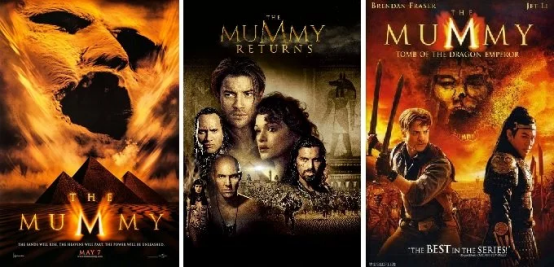
The Mummy series is an action-adventure film series directed by Stephen Sommers and starring Brendan Fraser, Rachel Weisz, and others. Since the release of the first film in 1999, the series has become a global cult classic and a major box office and cultural success. The films, centered around the mysterious history of Egypt and the resurrection of mummies, skillfully blend adventure, action, mythology, and humor. Even as the series’ subsequent instalments have evolved in setting and character, the core exploration of mystery and adventure has remained constant.
First: The Mummy (1999) – From horror to adventure
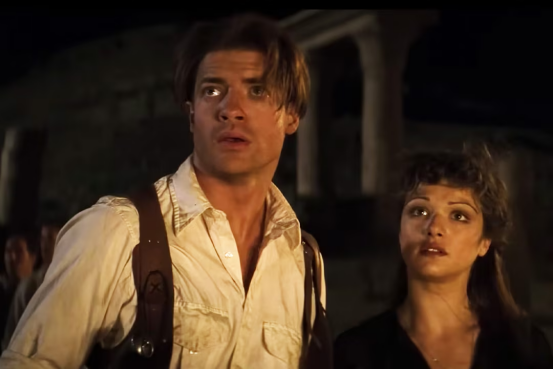
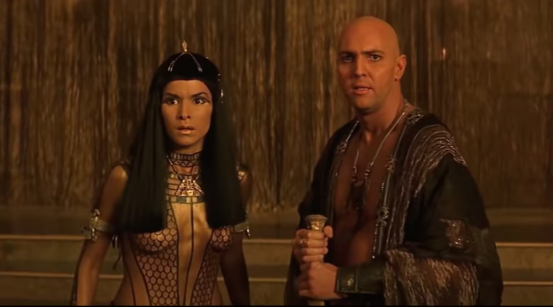
The 1999 film “The Mummy” is a reboot of the 1932 horror classic. While the original mummy story was filled with horror and eerie atmosphere, the new version takes a more lighthearted and entertaining approach, incorporating plenty of action and humor. The film tells the story of protagonist Rick O’Connor (Brendan Fraser) and scholar Emily (Rachel Weisz), who, while searching for mysterious ancient Egyptian relics, accidentally awaken the ancient Egyptian mummy, Imoteph (Arnold Vosloo). Imoteph, resurrected, seeks not only revenge but also the resurrection of his lost love. This mysterious journey spanning millennia sets off an adventure.
One of the film’s greatest strengths is its shift in genre: rather than focusing on horror, it boldly blends ancient Egyptian mythology with adventure elements. The action sequences are intense and gripping, the tomb-raiding plot is thrilling, and the humor is a key feature. Brendan Fraser’s irreverent and humorous portrayal of Rick O’Connor adds a lot to the film. His daring yet somewhat comical approach to confronting ancient gods and monsters imbues the film with a lighthearted atmosphere.
From a visual perspective, The Mummy leveraged cutting-edge special effects technology at the time to successfully create an ancient Egyptian world filled with both fantasy and horror. The film’s set design is undoubtedly another highlight, skillfully capturing the culture and architecture of ancient Egypt, as well as the terrifying atmosphere of a resurrected mummy.
Part 2: The Mummy Returns (2001) – An even more intense adventure
The Mummy Returns, the second film in the series, finds Rick and Emily once again embroiled in an even more thrilling adventure. This time, their son Alex accidentally triggers ancient Egyptian magic, leading to the resurrection of Imhotep and the awakening of new ancient powers. The story continues the plot of the first film while incorporating more mythological elements and a multicultural setting.
This film not only maintains the humor and action of the first film, but also doubles down on the special effects. The battle scenes are more complex, especially the special effects-laden ancient battle sequences, showcasing the grandeur of ancient Egypt and mythology. Furthermore, the film further deepens the character relationships, particularly the bond between Rick and Emily, showcasing their resolve and courage in the face of adversity.
Although “The Mummy Returns” was controversial at the box office and in the reviews, there is no doubt that it combined adventure and family elements more closely and broadened the emotional depth of the series.
Part 3: The Mummy: Tomb of the Dragon Emperor (2008) – Towards a New History
In “The Mummy: Tomb of the Dragon Emperor,” the film shifts its setting from ancient Egypt to China. This time, Rick and Emily’s son, Alex, has grown up, and the three of them travel to China to encounter another resurrected mummy—that of an ancient Chinese emperor (played by J.E.T. Lee). This new setting not only brings an exotic atmosphere to the film, but also expands the film’s adventurous elements, incorporating Chinese history and culture.
Compared to the previous two films, “Tomb of the Dragon Emperor” takes a different approach overall. While retaining the action, adventure, and mystery elements, the film’s pacing is somewhat slow and the plot can feel somewhat repetitive. Despite this, the visuals and fight scenes remain captivating. The inclusion of Chinese elements and the exploration of ancient Dragon Emperor culture also add a fresh touch to the film.
However, the film is a bit weak in character development, especially the interaction and emotional connection between Rick and Emily, which lacks much innovation, giving people a feeling that the plot has become a bit tired. Despite this, “The Mummy: Tomb of the Dragon Emperor” still retains the entertainment value of the series and still has a certain appeal to those who like light-hearted adventure films.
The charm of “The Mummy Series”: an interweaving of action, humor and mystery
The Mummy series has captivated audiences largely due to its successful blend of action, humor, and mystery. Every action scene is thrilling, every humorous exchange creates a lighthearted atmosphere, and every mythological detail is captivating, drawing in a desire to learn more about Namibia’s history and culture.
Considered a major IP, “The Mummy” series has avoided the formulaic tropes of many other film franchises. Each installment explores new possibilities, constantly expanding the worldview and presenting audiences with increasingly complex character relationships and emotional conflicts while remaining entertaining. Even in its third installment, it maintains its commitment to adventure and mystery, a key reason for its enduring popularity among fans.
Summarize:
As a classic action-adventure film series, “The Mummy” has made significant contributions in terms of visual effects, character development, and plot depth. Although the subsequent works in the series have become a bit repetitive in some aspects, overall, it has always maintained its entertainment and adventurous spirit and can still bring fun to the audience. If you are a fan of action-adventure films, “The Mummy” is undoubtedly a classic worth watching.

Related Posts