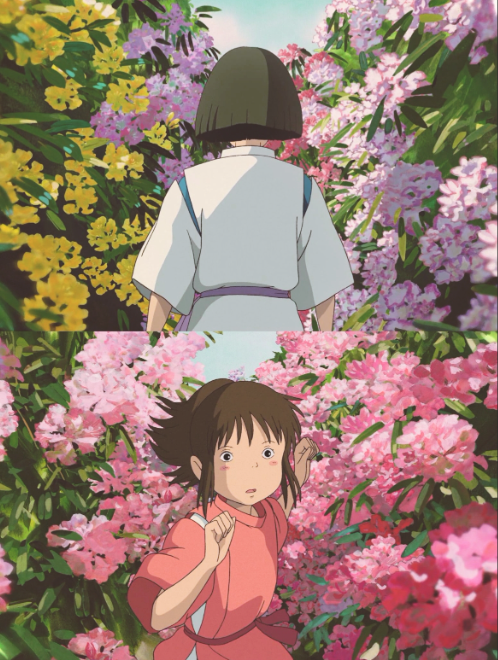
The Historical Context and Cultural Impact of Spirited Away
Released in 2001, Hayao Miyazaki’s “Spirited Away” (Sen to Chihiro no Kamikakushi) stands as a monumental achievement in global cinema. Beyond its breathtaking hand-drawn animation, the film serves as a profound commentary on modern Japanese society, traditional folklore, and the universal transition from childhood to adulthood. To truly understand this fantastical journey of growth and discovery, we must first look at the cultural foundations upon which Studio Ghibli built this liminal world.
Understanding Kamikakushi (Hidden by Spirits)
The Japanese concept of “Kamikakushi” literally translates to “hidden by kami” (spirits or gods). Historically, when individuals—especially children—went missing without a trace, folklore attributed their disappearance to being spirited away by angry or mischievous deities. Miyazaki uses this ancient concept to frame Chihiro’s sudden thrust into the spirit realm, turning a terrifying mythological trope into a crucible for personal empowerment and psychological evolution.
Breaking Down Chihiro’s Character Arc: From Apathy to Courage
At the beginning of the film, ten-year-old Chihiro is depicted as sullen, apathetic, and fearful of change. She is a reflection of the modern, sheltered youth. However, her journey through the bathhouse forces her to strip away her modern comforts and rely entirely on her inner resilience, empathy, and work ethic.
The Symbolism of the Stolen Name
One of the most critical moments of growth occurs when the witch Yubaba steals Chihiro’s name, renaming her “Sen” (which simply means “one thousand”). In many mythologies, names hold immense power. By taking her name, Yubaba attempts to erase Chihiro’s past identity and bind her to the bathhouse as a mere cog in a capitalist machine. Chihiro’s ultimate triumph lies in her ability to remember who she truly is, proving that true identity cannot be permanently erased by external forces.
Key Themes: Environmentalism, Greed, and Identity
Miyazaki masterfully weaves complex socio-political critiques into the fabric of this whimsical fairy tale. The narrative operates on multiple layers, challenging viewers to look beyond the magic and confront real-world issues.
The Critique of the Bubble Economy and Greed
The transformation of Chihiro’s parents into pigs is a direct metaphor for the rampant consumerism and greed of Japan’s 1980s Bubble Economy. They consume blindly, without asking permission or considering the consequences, embodying the gluttony of a society obsessed with material wealth. This sets the stage for Chihiro, the next generation, who must work to pay off the spiritual and literal debts of her predecessors.
Environmentalism and the Stink Spirit
The arrival of the “Stink Spirit” at the bathhouse provides one of the film’s most visceral environmental messages. When Chihiro cleanses the spirit, it is revealed to be a powerful River God, corrupted and buried under human pollution—bicycles, sludge, and discarded trash. This sequence emphasizes the Shinto belief that divinity exists in nature, and that humanity has a moral obligation to restore and respect the natural world.
Pro Tips: How to Analyze Ghibli Films Like an Expert
If you want to elevate your understanding of Studio Ghibli films, you must look beyond the surface-level plot. Here is an expert checklist for actively engaging with Miyazaki’s work:
- Pay attention to the background art: Miyazaki often hides narrative clues in the architecture and nature surrounding the characters.
- Analyze the concept of “Ma” (emptiness): Notice the quiet, contemplative moments (like the train ride sequence) where nothing advances the plot, but everything advances the emotion.
- Track the role of food: Food in Ghibli films is never just sustenance; it represents comfort, temptation, or spiritual connection.
Character Symbolism and Narrative Role Comparison
Every character Chihiro encounters serves a specific thematic purpose, challenging her to develop a new facet of her personality.
| Character | Cultural/Symbolic Meaning | Narrative Role in Chihiro’s Growth |
|---|---|---|
| No-Face (Kaonashi) | Modern consumerism and loneliness; absorbing the traits of those around him. | Teaches Chihiro that boundaries and empathy are stronger than material wealth. |
| Haku (Kohaku River) | Lost nature due to urban development; the power of forgotten memories. | Provides unconditional support, teaching Chihiro the value of mutual salvation. |
| Yubaba | Unchecked capitalism and authoritarian control. | Forces Chihiro to develop a strong work ethic and assert her independence. |
| Kamaji | The traditional, hardworking artisan class. | Shows Chihiro that gruff exteriors can hide deep compassion and loyalty. |
Frequently Asked Questions (FAQ)
- Why did Chihiro’s parents turn into pigs?
- Her parents turned into pigs because they consumed food meant for the spirits without permission. Thematically, it represents the gluttony and unchecked consumerism of Japan’s 1980s Bubble Economy, acting as a cautionary tale about losing one’s humanity to greed.
- What is the significance of the train scene?
- The train sequence is a masterclass in the Japanese artistic concept of “Ma,” which translates to negative space or a pause in time. It provides a moment of quiet reflection, marking Chihiro’s definitive transition from a frightened child to a determined, self-reliant individual traveling toward her destiny.
- Who is Haku really?
- Haku is the spirit of the Kohaku River, which was filled in and paved over to build apartments in the human world. Because his river was destroyed, he lost his home and his identity, becoming bound to Yubaba until Chihiro helps him remember his true name.
- Does Chihiro remember her journey at the end of the film?
- The film leaves this ambiguous. While she may not retain conscious, detailed memories of the spirit world, the glittering hairband given to her by Zeniba remains, symbolizing that the emotional growth, courage, and maturity she developed will stay with her forever.

Related Posts