The Architecture of Redemption in Modern Cinema
The concept of redemption serves as the narrative backbone for some of the most enduring films in cinematic history. Whether set within the claustrophobic walls of Shawshank State Prison or against the backdrop of the Holocaust, these stories transcend their settings to explore the inherent capacity for transformation within the human character. By examining works like The Shawshank Redemption, The Green Mile, and Schindler’s List, we uncover a recurring theme: the triumph of the individual spirit over institutional or historical apathy.
The Institutional Allegory
In films such as The Shawshank Redemption, the prison acts as a microcosm of human existence—a place where time is measured in loss, yet hope remains the ultimate currency. The narrative suggests that institutionalization is not merely a physical state but a psychological trap that requires an iron will to escape.
- Systemic Decay: The prison environment represents the crushing weight of bureaucracy and injustice.
- The Power of Persistence: Andy Dufresne’s thirty-year endeavor serves as a metaphor for the slow, methodical process of reclaiming one’s life.

The Intersection of Supernatural Grace and Human Suffering
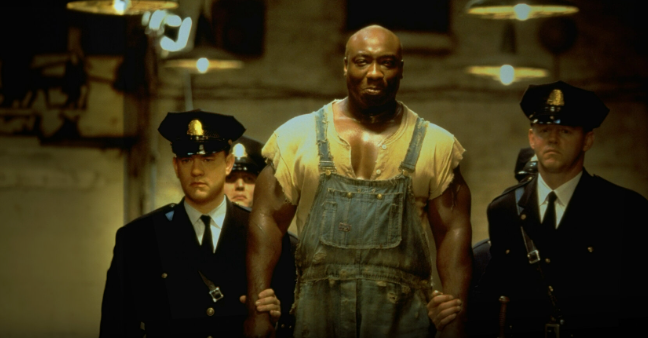
In The Green Mile, the narrative shifts from purely human struggle to the inclusion of the supernatural, or “the warm power beyond reality.” By introducing a character like John Coffey—a man possessing miraculous healing abilities despite his dire circumstances—the film challenges the audience’s perception of justice and morality.
The Paradox of Innocence
The core conflict in these narratives often involves an innocent figure suffering for the sins of a broken society. This “Christ-figure” archetype is designed to highlight the cruelty of those in power and the eventual awakening of the protagonist’s conscience.
| Film Title | Core Theme | Symbol of Hope |
|---|---|---|
| The Shawshank Redemption | Persistence | The Rock Hammer / Zihuatanejo |
| The Green Mile | Compassion | Healing / The Miracle |
| Schindler’s List | Humanity | The List / The Ring |

The Catalyst of Change: Human Connection
Often, the journey toward redemption begins with a singular, unexpected connection. In stories concerning urban loners or hardened criminals, the introduction of an innocent figure—a child, a friend, or a mentor—serves as the catalyst that shatters the protagonist’s defensive shell. This shift is not instantaneous but represents a gradual realignment of values.
Mechanisms of Transformation
The transformation from cynicism to altruism is rarely a simple path. It requires the protagonist to confront their own past failures and accept the responsibility of their present actions. Whether it is Oskar Schindler realizing the value of a single life or a loner finding purpose in protecting a child, the shift is rooted in the realization that one’s legacy is defined by the lives they touch.

Historical Brilliance and the List of Humanity
Schindler’s List stands as a monumental achievement in depicting the flicker of light within the darkest chapters of history. It demonstrates that even in the face of industrial-scale genocide, the individual choice to act with compassion remains the highest form of brilliance.
The Weight of Legacy
The film forces us to consider the mathematical value of a human soul. Schindler’s progression—from a war profiteer to a savior of hundreds—is one of the most compelling arcs in cinema, emphasizing that redemption is not about being perfect, but about choosing to do the right thing when the cost is at its highest.
Frequently Asked Questions (FAQ)
- Q1: Why is The Shawshank Redemption consistently ranked as the number one film on IMDb?
- It resonates because it addresses universal human desires: the need for hope, the fight against injustice, and the enduring power of friendship. Its pacing allows for deep character development that is rarely seen in modern thrillers.
- Q2: What is the significance of the “supernatural” elements in The Green Mile?
- The supernatural serves as a mirror for the characters’ internal states. It highlights the contrast between the ugliness of the prison system and the pure, unadulterated goodness of John Coffey, forcing the other characters to confront their own morality.
- Q3: How does Schindler’s List redefine the concept of a hero?
- The film strips away the traditional “action hero” tropes, presenting a hero who is deeply flawed. It suggests that true heroism is found in the quiet, dangerous, and often costly decision to protect others when it is easier to remain silent.
- Q4: Can redemption be achieved regardless of one’s past crimes?
- These films argue that while actions carry consequences, the capacity for change is an inherent human right. Redemption is portrayed as a process of atonement—an active, ongoing pursuit rather than a destination.

Related Posts