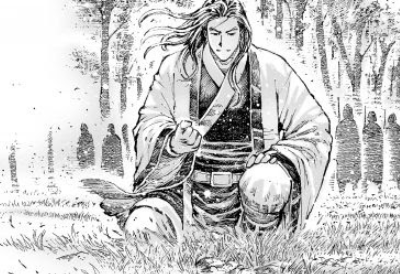
The Philosophy of Water Breathing: Endless Power in Calmness
Water Breathing represents the pinnacle of adaptability and fluid combat logic. Derived from the original Sun Breathing, it emphasizes the concept of fluidity—the ability to change form based on the opponent’s movements. Practitioners do not seek to overpower the enemy through brute strength alone, but rather through a state of absolute psychological and physical composure.
The Mechanism of Fluidity
The core of Water Breathing lies in its ten standard forms (and the eleventh form created by Giyu Tomioka). Each movement is designed to flow seamlessly into the next, creating a defensive and offensive loop that is difficult to disrupt.
- Adaptability: Like water, the user conforms to the shape of the battlefield, turning the opponent’s momentum against them.
- Calmness: By maintaining a steady heart rate, the user maximizes oxygen efficiency, allowing for prolonged engagements.
- Defensive Mastery: The forms prioritize neutralizing incoming attacks before transitioning into a lethal counter-strike.

Breath of Fire: Responsibility and Passion Burning in Flames
In stark contrast to the fluid nature of water, the Breath of Fire embodies raw intensity, unwavering duty, and the burning spirit of the protector. It is a style that demands total commitment, often pushing the user to their absolute physical limits to incinerate the darkness.
The Duty of the Flame Hashira
Those who master the Breath of Fire are guided by a profound sense of responsibility. This style is not merely about destruction; it is about the “burning” desire to protect the vulnerable. The user acts as a beacon, drawing the enemy’s attention and overwhelming them with high-velocity, high-impact strikes.
| Feature | Water Breathing | Breath of Fire |
|---|---|---|
| Primary Focus | Fluidity & Defense | Offense & Intensity |
| Psychological State | Stagnant Calmness | Burning Passion |
| Combat Tempo | Steady/Rhythmic | Explosive/Sudden |

Tactical Comparisons in High-Stakes Combat
When comparing these two styles, one must observe how they handle external pressure. Water Breathing serves as a stabilizer, essential for long-duration battles where endurance is the deciding factor. Conversely, the Breath of Fire acts as a force multiplier, designed to end conflicts decisively through sheer willpower and overwhelming offensive output.
Strategic Application
Users of these styles often tailor their techniques to their specific personality traits. Water Breathing users tend to be analytical and observant, while Fire Breathing users are characterized by their directness and unrelenting drive.

Developing Your Path as a Swordsman
Choosing between these styles—or understanding how to counter them—requires a deep dive into one’s own internal motivations. While the Water style offers a path of longevity and grace, the Fire style offers a path of immediate, heroic impact. Both require rigorous training of the lungs and the spirit to transcend basic human limitations.
Frequently Asked Questions (FAQ)
- Q1: Is Water Breathing more effective than Breath of Fire?
- Effectiveness is situational. Water Breathing is superior for defensive maneuvers and sustained combat, whereas Breath of Fire excels in high-damage, explosive encounters where the target must be neutralized quickly.
- Q2: Can a single user learn both breathing styles?
- While theoretically possible, the psychological requirements for each are vastly different. Mastering the fluidity of water often conflicts with the aggressive, burning intensity required for Fire.
- Q3: What is the most important component of Water Breathing?
- The most important component is “Total Concentration Breathing,” which allows the user to maintain a calm, oxygen-rich state even under extreme stress.
- Q4: Why is Breath of Fire associated with responsibility?
- The style is historically passed down through those who uphold a strong sense of justice and duty, viewing their own life as a fuel for the protection of others.

Related Posts